
5 Common Misconceptions About Road Construction
KT
Understanding Road Construction
Road construction is a vital part of infrastructure development, yet it is often misunderstood. Many people have misconceptions about the process, which can lead to frustration and confusion. Here, we aim to clear up some of these misunderstandings.
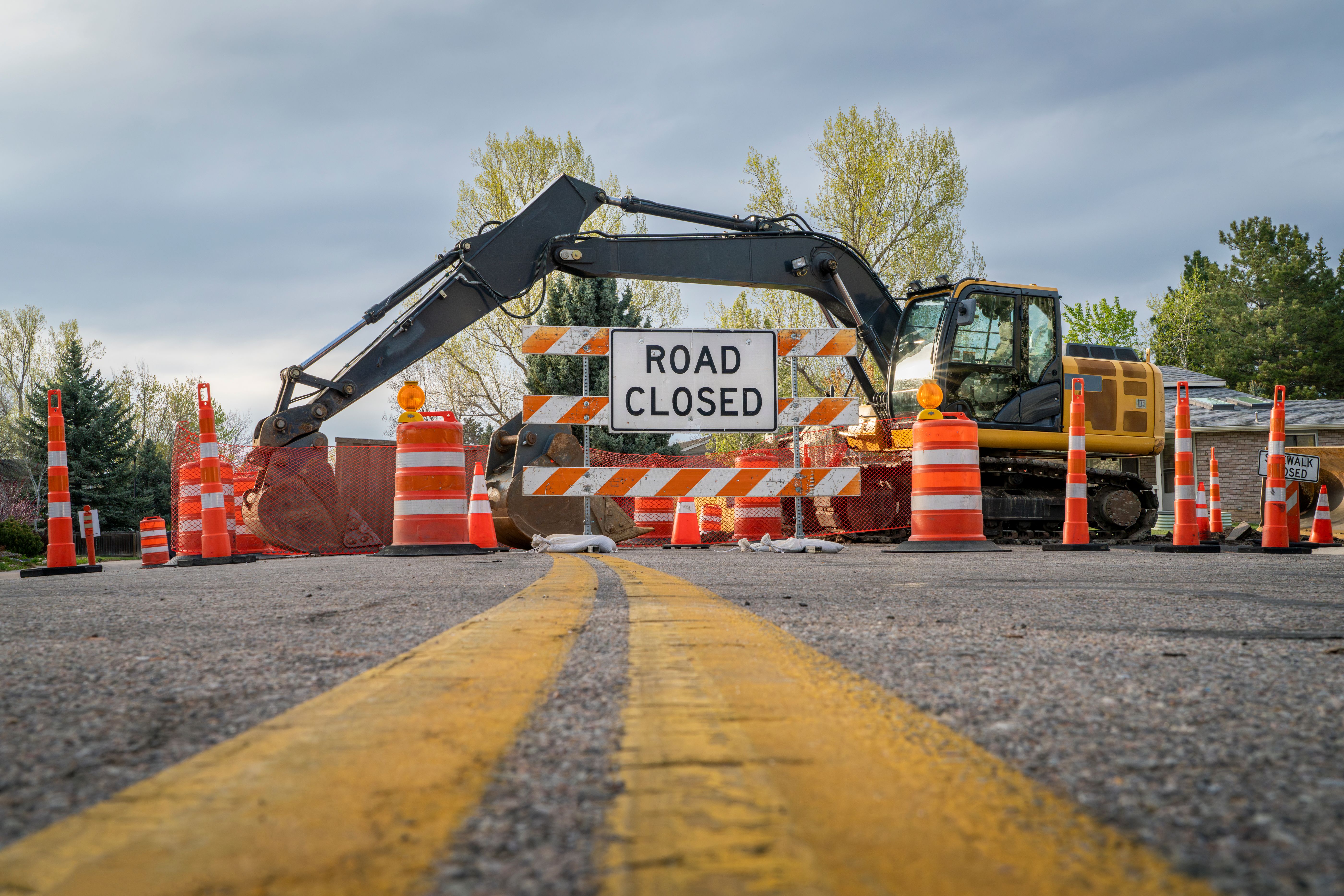
Misconception 1: Road Construction is Always Behind Schedule
One common belief is that road construction projects are perpetually delayed. While delays can occur, they are not as frequent as perceived. Factors like weather conditions, unforeseen site conditions, or changes in project scope can cause delays, but project managers work hard to keep everything on track.
Moreover, most large-scale projects have built-in buffers to account for possible setbacks. These are not always visible to the public, but they play a crucial role in ensuring timely completion.
Misconception 2: Road Construction is Only About Laying Asphalt
Many assume that road construction is simply about laying asphalt, but it's much more complex. The process involves extensive planning, environmental assessments, and engineering to ensure safety and durability. It includes designing drainage systems, installing utilities, and ensuring proper signage and lighting.
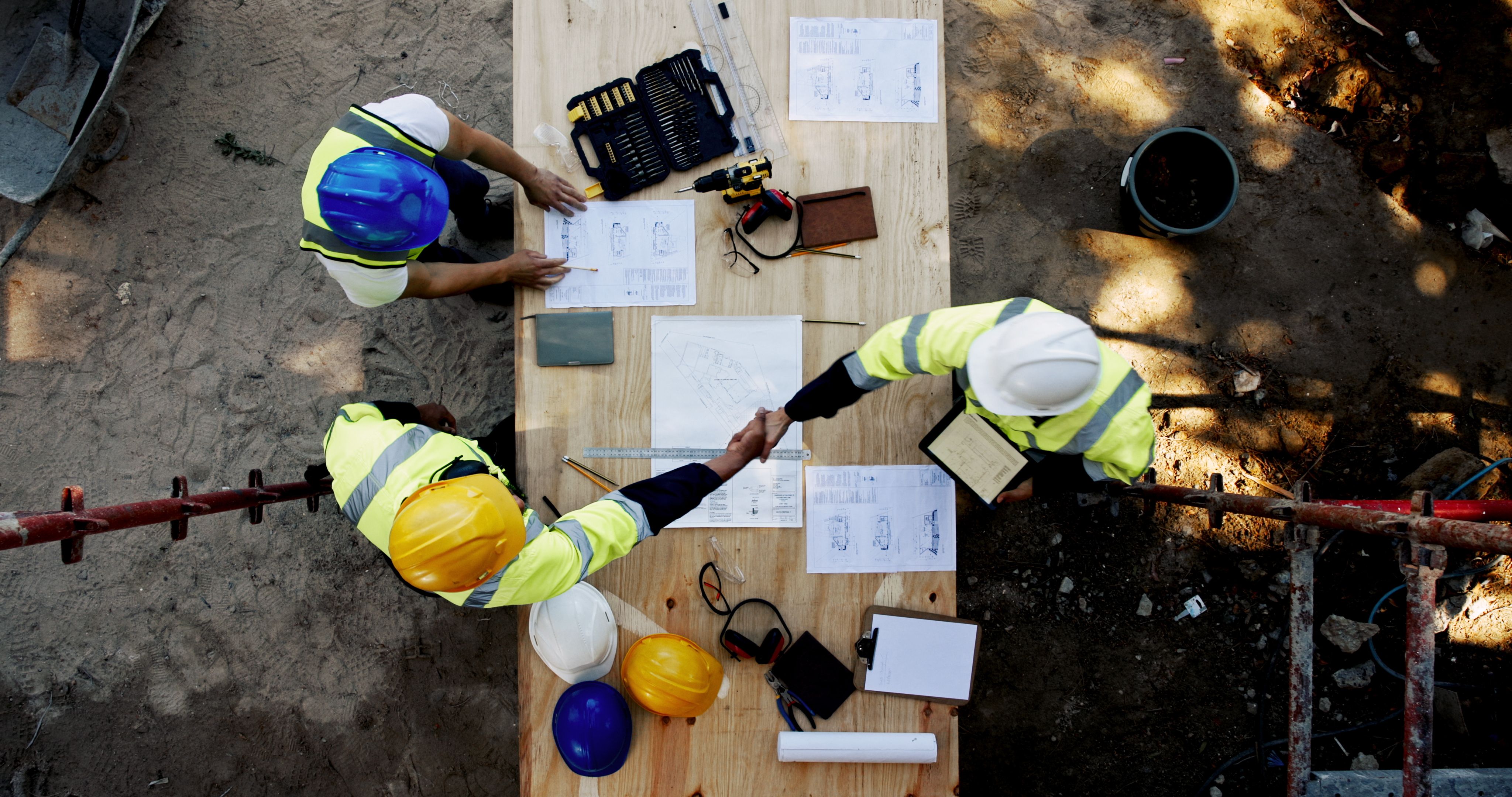
Misconception 3: Road Construction is Inherently Dangerous
While road construction does involve risks, safety is a top priority. Construction sites implement strict safety protocols, including the use of protective gear, signage, and barriers. Workers undergo regular safety training to minimize risks.
It is crucial for drivers and pedestrians to adhere to safety guidelines around construction zones to further reduce accidents and ensure everyone's safety.

Misconception 4: Construction Doesn't Consider Environmental Impact
Contrary to popular belief, modern road construction places significant emphasis on environmental considerations. Projects often undergo environmental impact assessments and incorporate sustainable practices. This can include using recycled materials, minimizing land disruption, and protecting local wildlife habitats.
Innovations in construction technology have also enabled more eco-friendly approaches, illustrating the industry's commitment to environmental responsibility.
Misconception 5: All Road Construction Is Funded by Taxpayer Money
Another misconception is that taxpayer money entirely funds road construction. While public funds do play a role, many projects also receive funding from private investments, grants, and bonds. Public-private partnerships are becoming more common, allowing for shared responsibilities and resources.
This diversification in funding helps in the efficient allocation of resources and ensures that infrastructure development continues without solely relying on taxpayer money.

Conclusion
Understanding the complexities of road construction helps in appreciating the effort and planning involved. By dispelling these misconceptions, we can foster a more informed and patient public, ultimately supporting smoother and more efficient infrastructure development.