
5 Essential Tips for DIY Road Repairs in Your Community
KT
Introduction to DIY Road Repairs
Road maintenance is a crucial aspect of ensuring the safety and accessibility of your community. While larger repairs might require professional intervention, there are several smaller tasks that you can tackle yourself. By engaging in DIY road repairs, you not only contribute to the well-being of your neighborhood but also save on costs.
Before embarking on any repair project, it’s important to assess the situation and determine whether a DIY approach is suitable. Here are five essential tips to guide you through the process effectively.
Tip 1: Identify the Problem
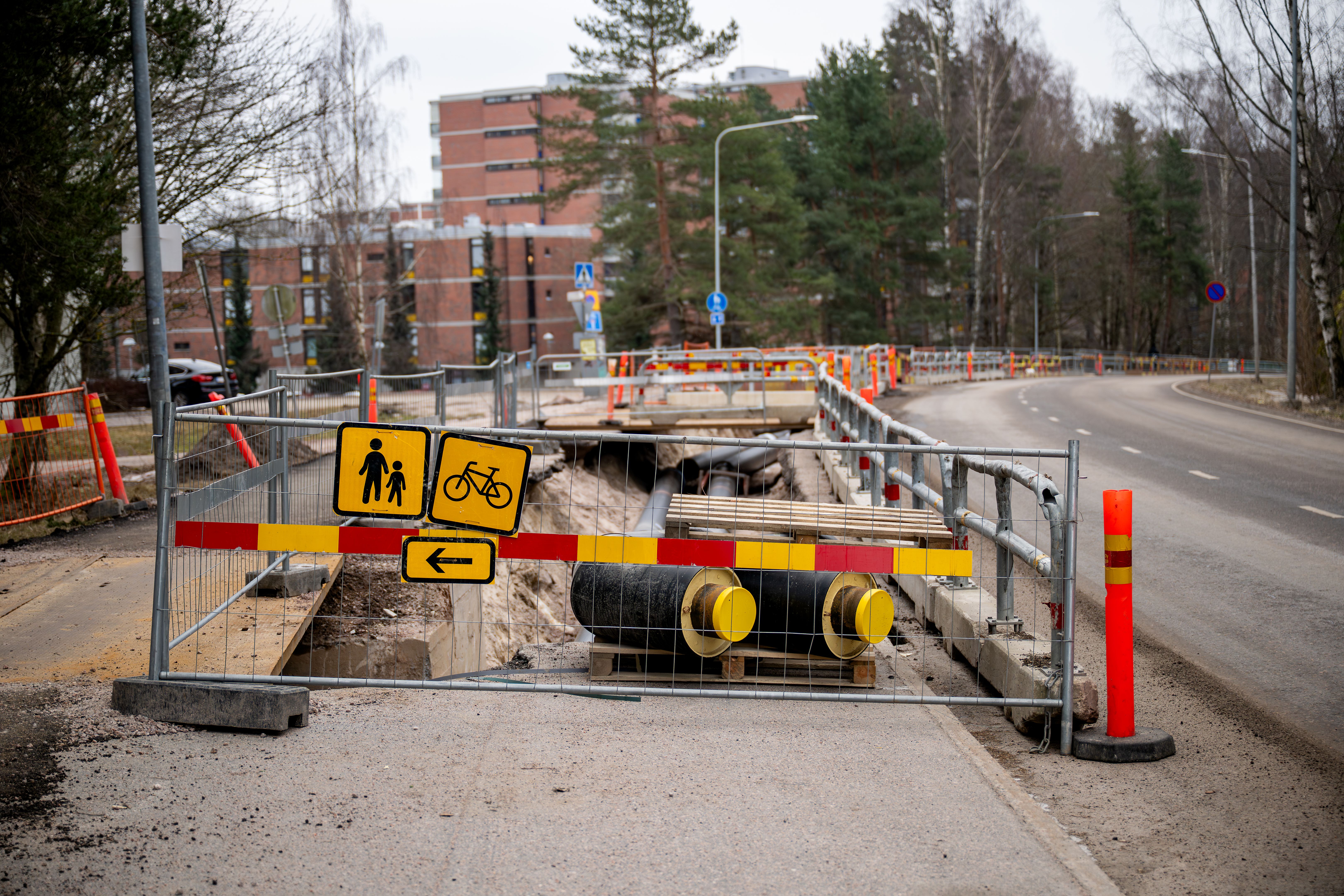
The first step in any repair project is to accurately identify the issue. Common problems include potholes, cracks, and drainage issues. Take the time to examine the road and note the severity and type of damage. This will help you decide on the best course of action.
For minor cracks, you may only need a basic sealant, while larger potholes might require more substantial materials. Understanding the problem will also help you gather the necessary tools and supplies.
Tip 2: Gather the Right Tools and Materials
Having the right tools and materials is crucial for successful road repairs. Some essential tools include a shovel, broom, asphalt patch, and sealant. Depending on the complexity of the repair, you might also need a tamper or compactor.
- Shovel: For clearing debris and placing materials.
- Broom: To clean the area before repairs.
- Asphalt Patch: Essential for filling potholes.
- Sealant: For covering cracks and preventing further damage.
Tip 3: Focus on Safety
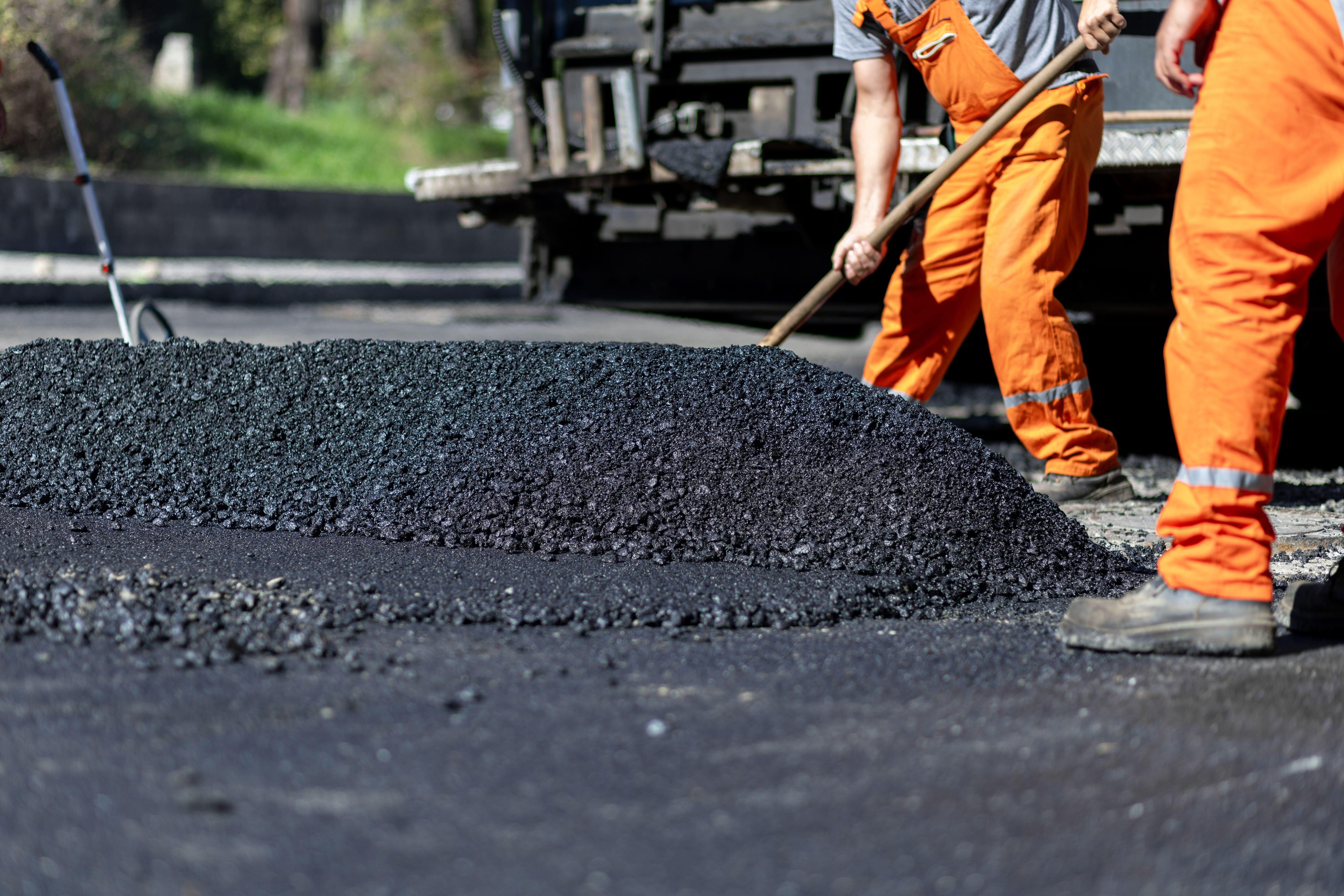
Safety should be your top priority during DIY road repairs. Ensure that you wear protective gear such as gloves, goggles, and high-visibility clothing. If you’re working on a busy road, it might be necessary to set up cones or warning signs to alert drivers.
Additionally, consider working with a partner for added safety. Having someone to assist can make the process more efficient and secure, especially when dealing with heavy materials.
Tip 4: Follow Proper Techniques
Applying the correct techniques is essential for effective repairs. When filling potholes, make sure to clean the area thoroughly before applying the patch. Compact the material properly to ensure it adheres well and provides a smooth surface.
For cracks, use a sealant that is suitable for the type of road surface you are dealing with. Apply it evenly and allow sufficient time to dry. Following these techniques will ensure long-lasting repairs.
Tip 5: Regular Maintenance
Once repairs are completed, regular maintenance is key to preventing future issues. Conduct periodic inspections to catch new problems early. Addressing minor issues promptly can prevent them from escalating into larger, more costly repairs.
Encourage community involvement in maintaining road quality. Organizing clean-up events or repair workshops can foster a sense of community pride and responsibility.
Conclusion
DIY road repairs are a practical way to enhance your community’s infrastructure. By following these essential tips, you can effectively address minor road issues and contribute to the safety and aesthetics of your neighborhood. Remember, every small effort counts toward creating a better environment for everyone.