Choosing the Right Materials for Road Construction in Fiji
KT
Introduction to Road Construction in Fiji
Fiji, a beautiful archipelago in the South Pacific, poses unique challenges for road construction due to its diverse topography and climate. Choosing the right materials is crucial to ensure long-lasting and sustainable roads. This guide will help you understand the essential materials and considerations for building roads in Fiji.
With frequent tropical weather and varying terrain, selecting materials that can withstand these conditions is vital. Proper material selection not only enhances durability but also minimizes maintenance costs.
Understanding the Local Environment
Fiji's environment plays a significant role in material selection. The combination of coastal areas, rainforests, and mountainous regions requires materials that can adapt to different pressures and weather conditions. Understanding the local soil type, rainfall patterns, and potential natural disasters is essential.
For instance, coastal roads must resist saltwater and erosion, while inland roads may need materials that can handle heavy rainfall and potential flooding.
Soil Analysis
Conducting a thorough soil analysis is the first step in road construction. It helps identify the soil's load-bearing capacity and drainage properties. This information guides the choice of base materials and pavement design.

Choosing the Right Base Materials
The base layer is a critical component of road construction, providing stability and support. In Fiji, common base materials include crushed stone, gravel, and sand. Each material offers different benefits:
- Crushed Stone: Offers excellent load-bearing capacity and stability.
- Gravel: Provides good drainage and is often used in rural areas.
- Sand: Ideal for areas that require high drainage capabilities.
Choosing the appropriate base material depends on the specific environmental conditions and road usage requirements.
Pavement Materials
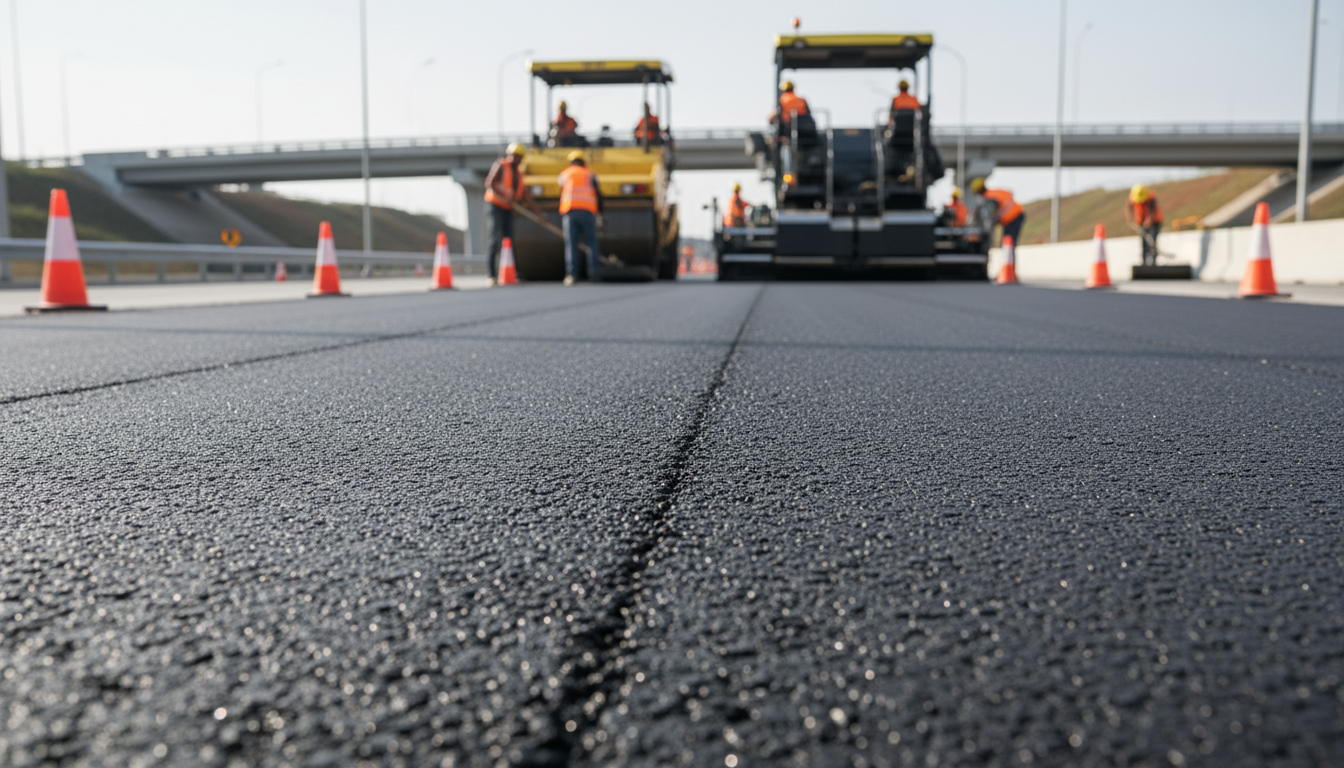
Surface materials are equally vital. Asphalt and concrete are the most common choices for paving roads in Fiji. Each material has its own benefits and challenges:
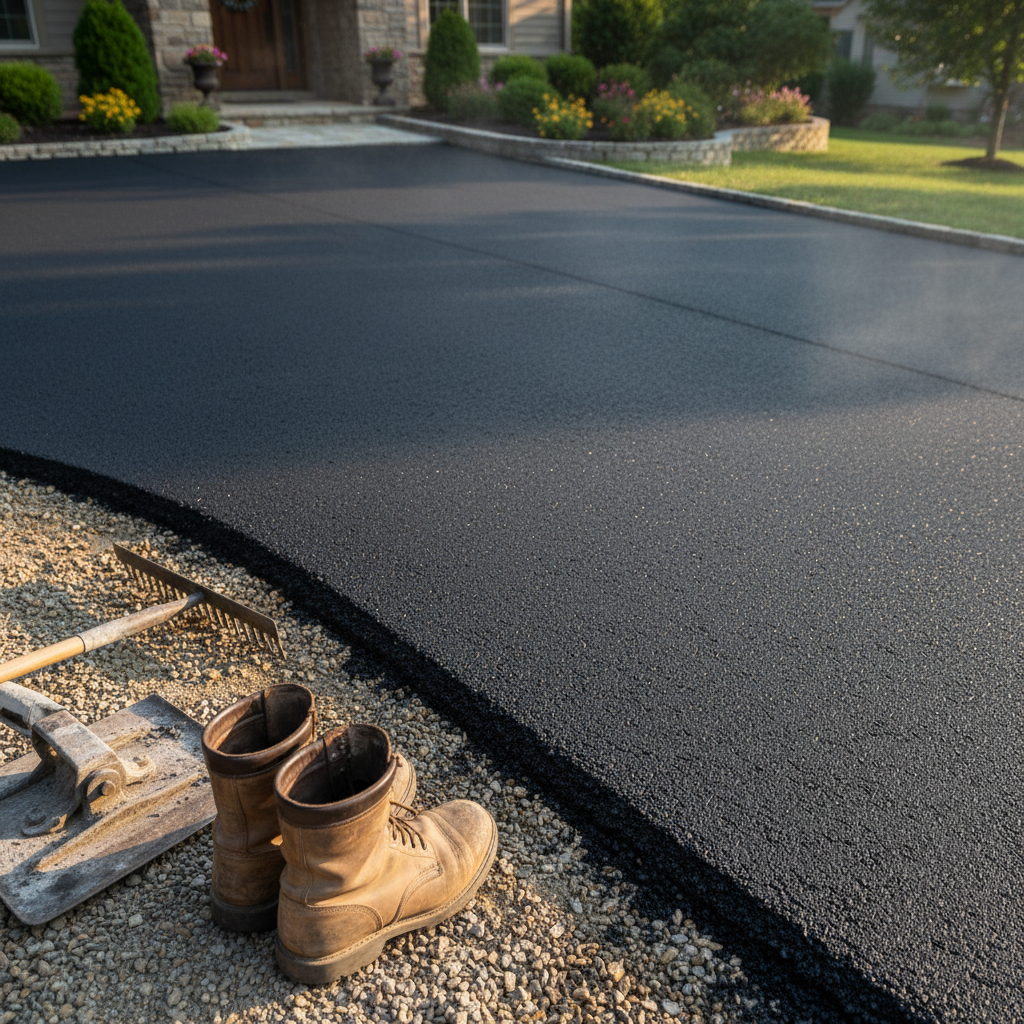
- Asphalt: Flexible, cost-effective, and quick to lay down. It is suitable for areas with high rainfall due to its water resistance.
- Concrete: Durable and long-lasting. It is ideal for high-traffic areas but requires more initial investment and time to cure.
Considerations for Sustainable Practices
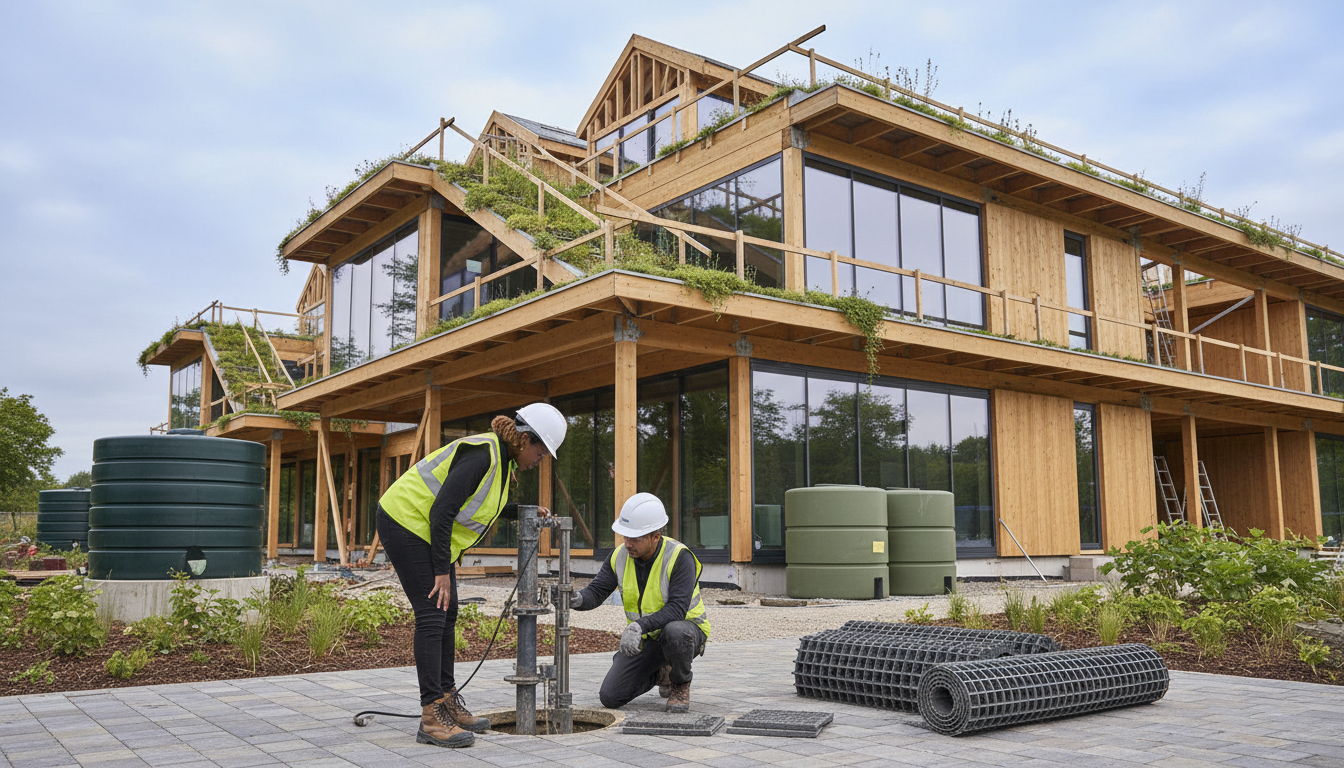
Sustainability is a growing concern in road construction. Using recycled materials and environmentally friendly practices can minimize the ecological impact. In Fiji, this might involve utilizing locally sourced materials to reduce transportation emissions.
Incorporating sustainable materials and construction methods not only helps the environment but also promotes economic benefits by reducing long-term maintenance costs.
Conclusion
Choosing the right materials for road construction in Fiji involves understanding the local environment, analyzing soil conditions, and selecting appropriate base and surface materials. By considering these factors, developers can ensure the creation of durable, sustainable roads that meet the unique challenges of Fiji's diverse landscape.