
Choosing the Right Road Construction Materials for Fiji’s Terrain
KT
Fiji's unique terrain, characterized by its lush landscapes, rugged mountains, and coastal areas, presents distinct challenges and opportunities when it comes to road construction. Selecting the right materials is crucial for building durable and sustainable roads that can withstand the island's climate and topography.
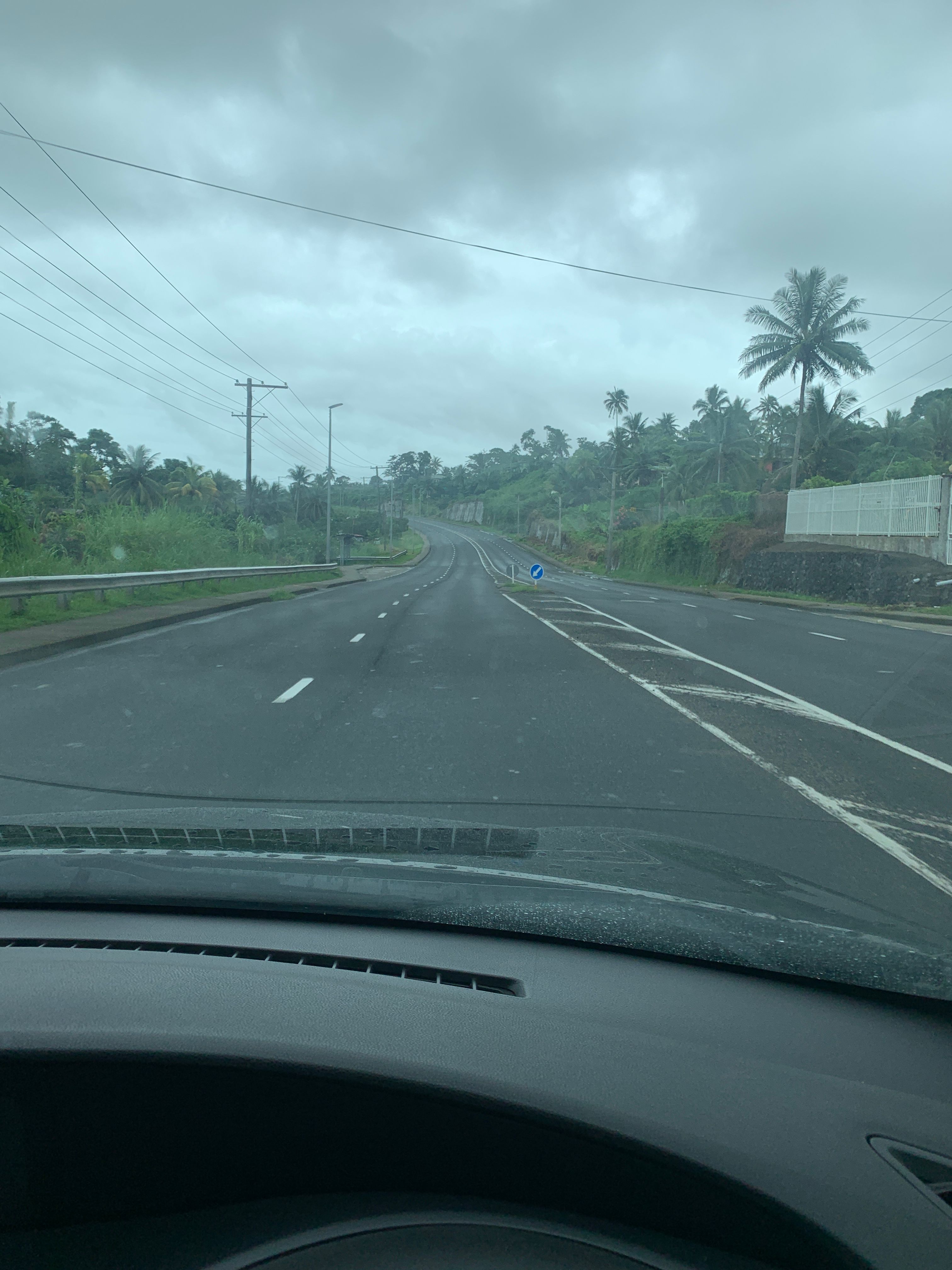
Understanding Fiji's Terrain
Fiji is an archipelago with over 300 islands, each featuring diverse geographical features. From coastal plains to hilly interiors, the terrain varies significantly, affecting road construction strategies. These variations necessitate a tailored approach to choosing construction materials that can handle the specific demands of each area.
Coastal roads often face challenges such as saltwater exposure and erosion, while inland roads must consider factors like soil stability and rainfall. Understanding these elements is critical before selecting materials.
Key Considerations for Material Selection
Durability and Longevity
Materials chosen for road construction in Fiji must be durable enough to withstand the tropical climate, which includes heavy rains and high humidity. Materials like asphalt and concrete are commonly used due to their robustness and ability to provide a smooth driving surface.
Environmental Impact
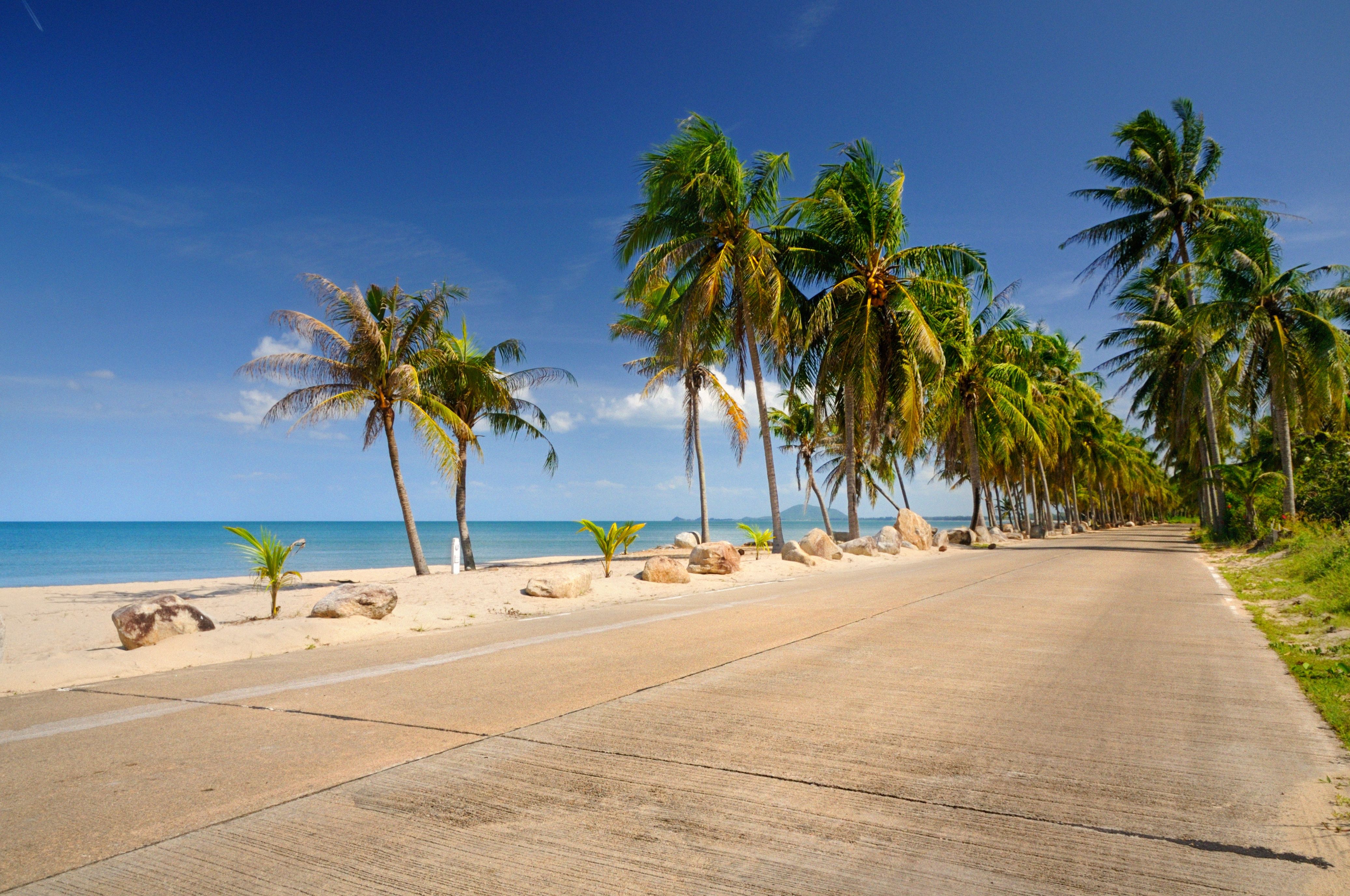
Environmental sustainability is a growing concern in road construction. Opting for eco-friendly materials can help reduce the negative impact on Fiji's pristine environment. Recycled materials or locally sourced aggregates can be excellent choices, minimizing the carbon footprint associated with transportation.
Types of Road Construction Materials
Asphalt
Asphalt is a popular choice for road surfaces due to its flexibility and ability to withstand heavy traffic loads. It's particularly useful in coastal areas where resistance to saltwater is vital. Additionally, asphalt's smooth texture provides a comfortable driving experience.
Concrete
Concrete is another widely used material, known for its strength and durability. It is ideal for areas with heavy rainfall as it offers excellent water resistance. Concrete roads also have a longer lifespan, reducing the need for frequent repairs.

Innovative Solutions and Technologies
Advancements in technology have introduced innovative materials and construction techniques. Geosynthetics, for instance, are used to reinforce soil and improve stability, which is particularly beneficial in Fiji's hilly regions. Implementing such technologies can enhance the performance and longevity of road infrastructure.
In conclusion, the selection of road construction materials in Fiji requires a comprehensive understanding of the local terrain and environmental conditions. By considering factors like durability, environmental impact, and innovative solutions, it is possible to build roads that not only meet the present needs but also contribute to the sustainable development of the islands.