
Common Misconceptions About Road Construction in Labasa
KT
Understanding Road Construction in Labasa
Road construction in Labasa is often misunderstood, leading to various misconceptions among residents and visitors alike. These misunderstandings can create confusion and unwarranted frustration. By addressing some of these common misconceptions, we hope to provide a clearer picture of what road construction entails in this vibrant town.
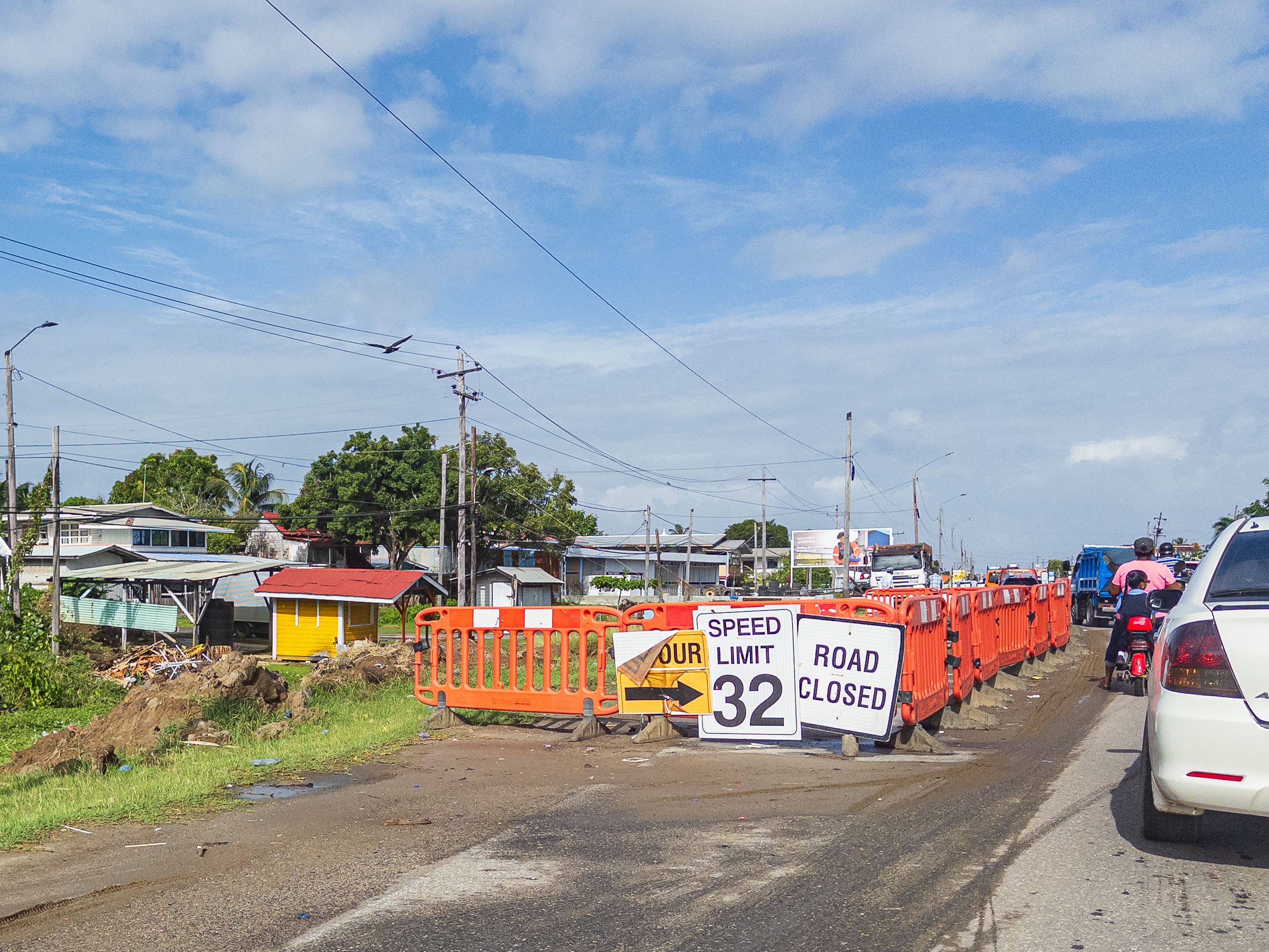
Misconception 1: Road Construction Is Always Delayed
A frequent misconception is that road construction projects are always delayed. While delays can occur, they are not as common as perceived. Factors such as weather conditions, unforeseen underground utilities, and logistical challenges can impact timelines. However, project managers strive to adhere to schedules and minimize disruptions.
Understanding that some delays are beyond control can help manage expectations. Efforts are made to communicate any changes promptly to the public, ensuring that residents are informed and prepared.
Misconception 2: Road Construction Is Unnecessary
Another common belief is that road construction is unwarranted and merely a source of inconvenience. In reality, road construction is crucial for improving infrastructure, enhancing safety, and supporting local economic growth. Upgrades and maintenance help reduce traffic congestion and improve travel times.

Investing in road infrastructure also attracts businesses and boosts tourism, contributing to Labasa's overall development. The long-term benefits far outweigh the temporary inconveniences experienced during construction.
Misconception 3: Road Construction Is Not Environmentally Friendly
Concerns about environmental impact often arise with road construction projects. However, modern construction practices prioritize sustainability. Techniques such as recycling materials, reducing emissions, and protecting local ecosystems are integral parts of the planning process.
Community input is often sought to ensure that environmental concerns are addressed, and measures are taken to minimize any negative impact. This collaborative approach helps balance development with environmental stewardship.

Misconception 4: Road Construction Neglects Community Needs
Some believe that road construction projects overlook the needs of the community. In contrast, community engagement is a key component of the planning phase. Public consultations and feedback sessions are conducted to understand the needs and concerns of residents.
These efforts ensure that projects align with local priorities, such as improving access to schools, hospitals, and commercial areas. By involving the community, construction projects can better serve the people of Labasa.
Conclusion
Addressing these misconceptions helps foster a better understanding of road construction in Labasa. By recognizing the importance of these projects and the efforts made to mitigate challenges, residents can appreciate the positive impact on their community. Clear communication and collaboration remain essential to the success of these endeavors, ensuring that Labasa continues to grow and thrive.