
Comparing Road Construction Materials: Which is Best for Fiji's Climate?
KT
Understanding Fiji's Climate
Fiji is known for its tropical climate, characterized by warm temperatures and high humidity throughout the year. The islands experience a wet season from November to April and a dry season from May to October. These conditions significantly influence the choice of road construction materials, as they must withstand torrential rains, potential flooding, and intense heat.

Asphalt: A Common Choice
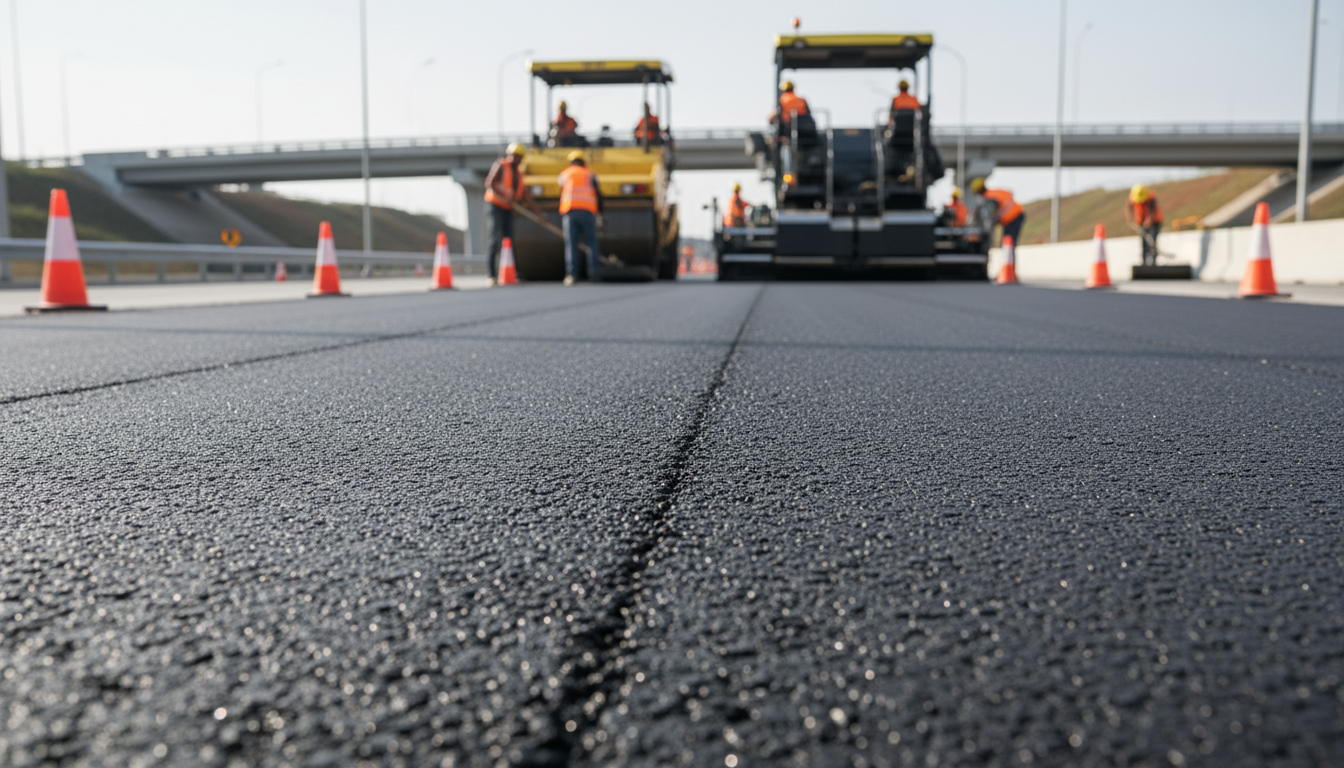
Asphalt is a popular road construction material due to its flexibility and relatively low cost. It performs well in absorbing heat, which can help prevent surface cracking. However, in Fiji's wet climate, asphalt may suffer from water damage, leading to potholes and deterioration over time.
Despite these drawbacks, using high-quality asphalt mixes and proper drainage systems can enhance its lifespan. Regular maintenance is crucial to ensure the roads remain in good condition.
Concrete: Durability and Challenges
Concrete offers a more durable alternative to asphalt, with a longer lifespan and greater resistance to water damage. Its rigidity makes it less susceptible to warping under Fiji's intense heat. However, the initial cost of concrete roads is higher, and they can be prone to cracking without proper expansion joints.
Environmental Considerations
Concrete production is energy-intensive and contributes to carbon emissions. For Fiji, sustainable practices such as using recycled materials in concrete mixes can offset some environmental impacts. Additionally, permeable concrete options can help manage water runoff during heavy rains.
Gravel Roads: Cost-Effective but Limited
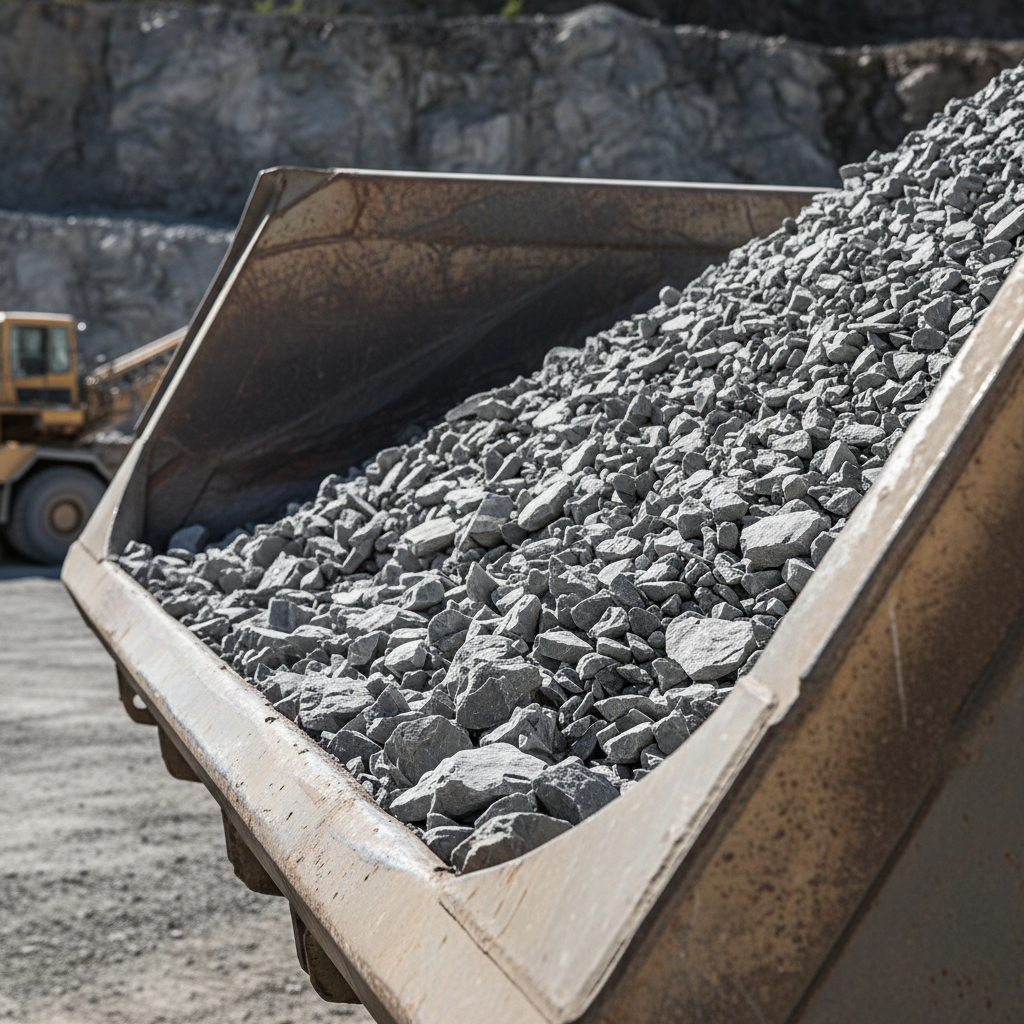
Gravel roads are cost-effective and quick to construct, making them suitable for rural or less-trafficked areas in Fiji. They provide adequate drainage but require frequent maintenance due to erosion and washouts during the rainy season.
Stabilization Techniques
To improve gravel road durability, stabilization techniques such as adding lime or cement can be employed. These methods enhance the road's structural integrity and reduce maintenance needs.
Emerging Materials: Geosynthetics
Innovative materials like geosynthetics are gaining attention for road construction in challenging climates. These materials improve drainage and soil stabilization, extending the lifespan of both asphalt and gravel roads. Their use in Fiji could offer a modern solution to traditional road construction challenges.
Benefits of Geosynthetics
Using geosynthetics can reduce maintenance costs and environmental impact, making them an attractive option for sustainable road construction in Fiji. Additionally, they enhance the strength and durability of the road base, essential for handling the island's heavy rainfall.
Conclusion: Choosing the Right Material
When selecting road construction materials for Fiji, it is essential to consider the unique climatic conditions and the specific needs of each region. While asphalt and concrete offer distinct advantages, emerging materials like geosynthetics present new opportunities for sustainable and resilient infrastructure development.
Ultimately, a combination of materials may provide the best solution, balancing cost, durability, and environmental impact. As Fiji continues to grow, investing in robust road networks will be crucial for economic development and connectivity.