
Comprehensive Guide to Road Civil Construction in Labasa
KT
Introduction to Road Civil Construction in Labasa
Labasa, a vibrant town in Fiji, is experiencing growth that necessitates efficient road construction. This comprehensive guide aims to shed light on the key aspects of road civil construction in Labasa, from planning to execution. Understanding these components is crucial for ensuring the longevity and safety of the infrastructure.
The unique geographical and climatic conditions in Labasa make road construction both a challenge and an opportunity. With proper planning and execution, these roads can significantly enhance local connectivity and economic opportunities.

Planning and Design
Effective road construction begins with meticulous planning and design. This phase involves conducting surveys and assessments to understand the terrain and environmental impact. Planners must consider factors such as soil stability, drainage, and traffic patterns.
Designing roads in Labasa also requires adherence to local regulations and standards. Engineers must ensure that their designs accommodate future growth and are resilient to natural disasters, which are not uncommon in the region.
Materials and Resources
Choosing the right materials is crucial for the success of road construction projects. In Labasa, locally sourced materials like crushed stone and gravel are often used. These materials must meet specific quality standards to ensure durability.
Additionally, the availability of resources such as machinery and skilled labor can impact the timeline and budget of a project. Coordination with local suppliers is essential to maintain a steady supply chain.
Construction Techniques
The construction phase involves several key techniques, including excavation, grading, and paving. Each step must be executed precisely to achieve a smooth, durable road surface. Advanced machinery and technology play a vital role in improving efficiency and accuracy.

Environmental Considerations
Environmental sustainability is a critical consideration in modern road construction. In Labasa, efforts are made to minimize the ecological footprint by using eco-friendly materials and practices. Proper waste management and erosion control measures are crucial to preserving the natural landscape.
Community involvement is also encouraged to ensure that construction activities align with local needs and environmental priorities.
Challenges and Solutions
Despite careful planning, road construction in Labasa faces several challenges, such as unpredictable weather conditions and limited infrastructure. These challenges require adaptive strategies and innovative solutions to maintain project timelines and quality.
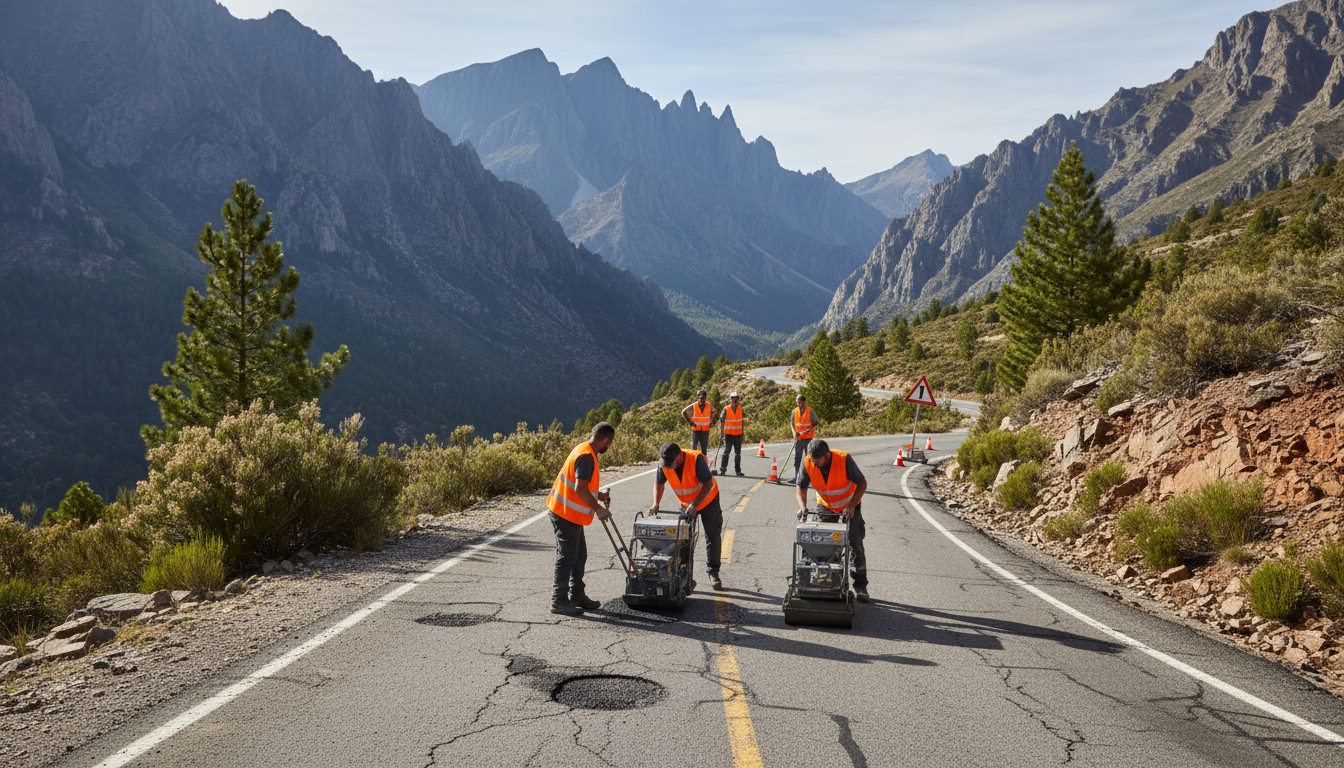
Collaboration with government agencies and stakeholders is essential to address these challenges effectively. Continuous monitoring and quality control measures help in overcoming obstacles and ensuring project success.
Conclusion
Road civil construction in Labasa is a complex but rewarding endeavor. By understanding the intricacies of planning, material selection, and construction techniques, stakeholders can contribute to building resilient and sustainable infrastructure. As Labasa continues to grow, these roads will play a crucial role in shaping the town’s future.