
Debunking Common Myths About Road Civil Construction in Fiji
KT
Road civil construction in Fiji is a crucial aspect of the nation's infrastructure development, yet it is often surrounded by misconceptions. These myths can lead to misunderstandings about the processes, costs, and impacts involved. In this post, we will debunk some common myths about road construction in Fiji and provide a clearer picture of how the industry operates.
Myth 1: Road Construction is Always Disruptive
One of the most prevalent myths is that road construction will always cause significant disruptions to daily life. While roadworks can be inconvenient, modern techniques and strategic planning minimize these disruptions. Construction teams often work during off-peak hours and use advanced machinery to expedite the process.
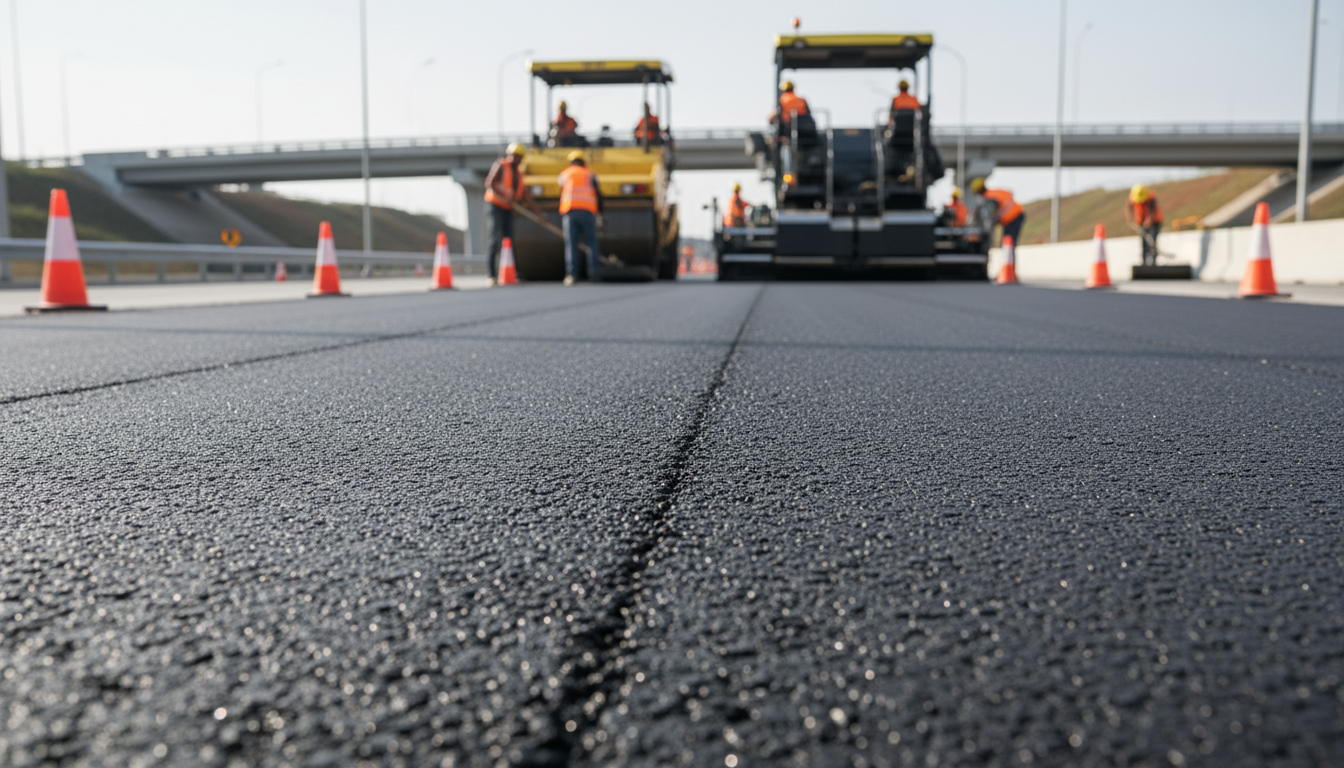
Moreover, the long-term benefits of improved roads far outweigh the temporary inconveniences. Enhanced road networks lead to better traffic flow, reduced travel time, and improved safety for all road users.
Myth 2: It's Too Expensive for Small Communities
Many believe that road construction is prohibitively expensive, especially for smaller communities. However, innovative financing solutions and government support have made it more accessible. Public-private partnerships and international aid often play a crucial role in funding these projects.
Additionally, investing in road infrastructure can boost local economies by creating jobs and stimulating business growth, making it a worthwhile investment for communities.

Myth 3: Road Construction Harms the Environment
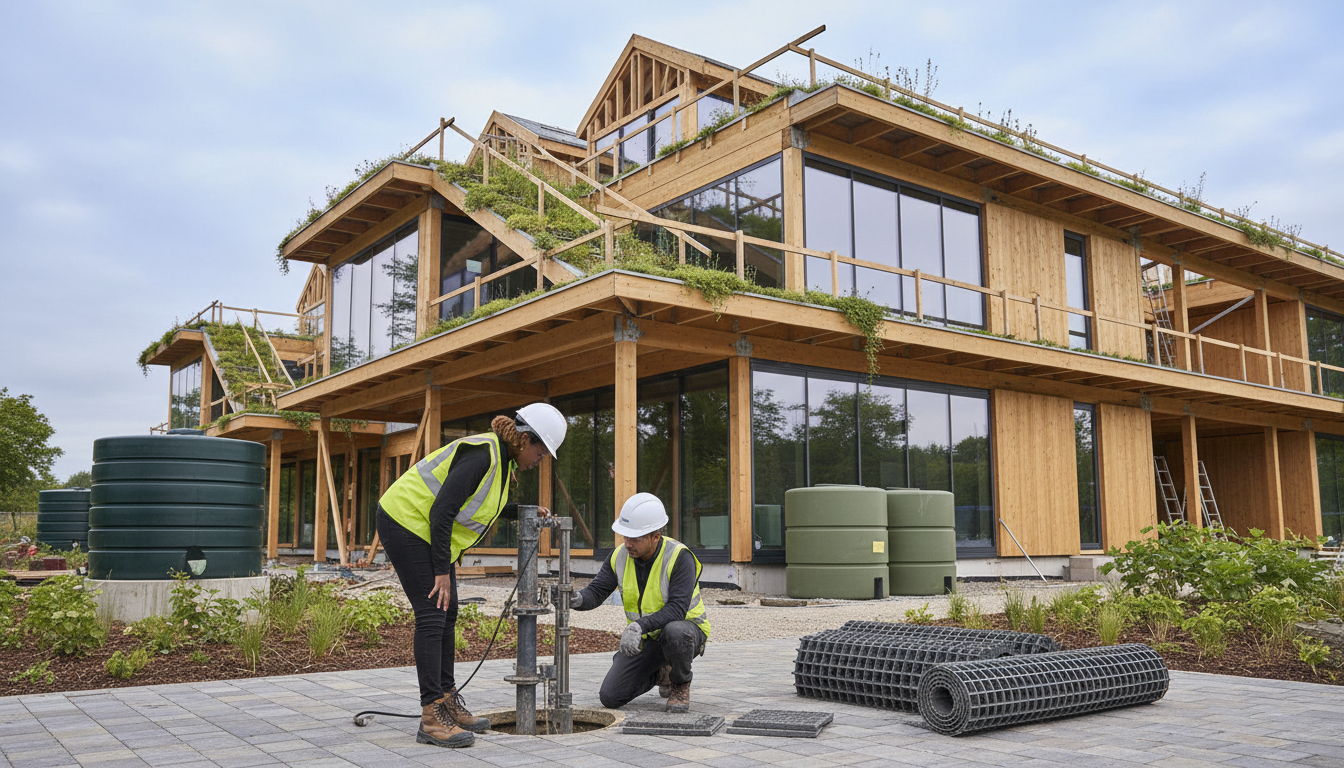
Concerns about environmental impact are valid, but modern road construction in Fiji is increasingly eco-friendly. Companies are adopting sustainable practices such as using recycled materials, reducing emissions, and ensuring proper waste management.
Environmental assessments are conducted before projects begin to mitigate negative impacts. Efforts are made to preserve natural habitats and incorporate green spaces where possible.
Myth 4: All Roads are Built the Same
Another misconception is that all roads are constructed using the same methods and materials. In reality, road construction is highly specialized and varies according to the specific needs of the area. Factors such as soil type, traffic volume, and climate are considered to determine the best construction approach.
Different roads serve different purposes, from highways designed for high-speed travel to local roads that prioritize accessibility and safety.
Myth 5: Road Maintenance is Neglected
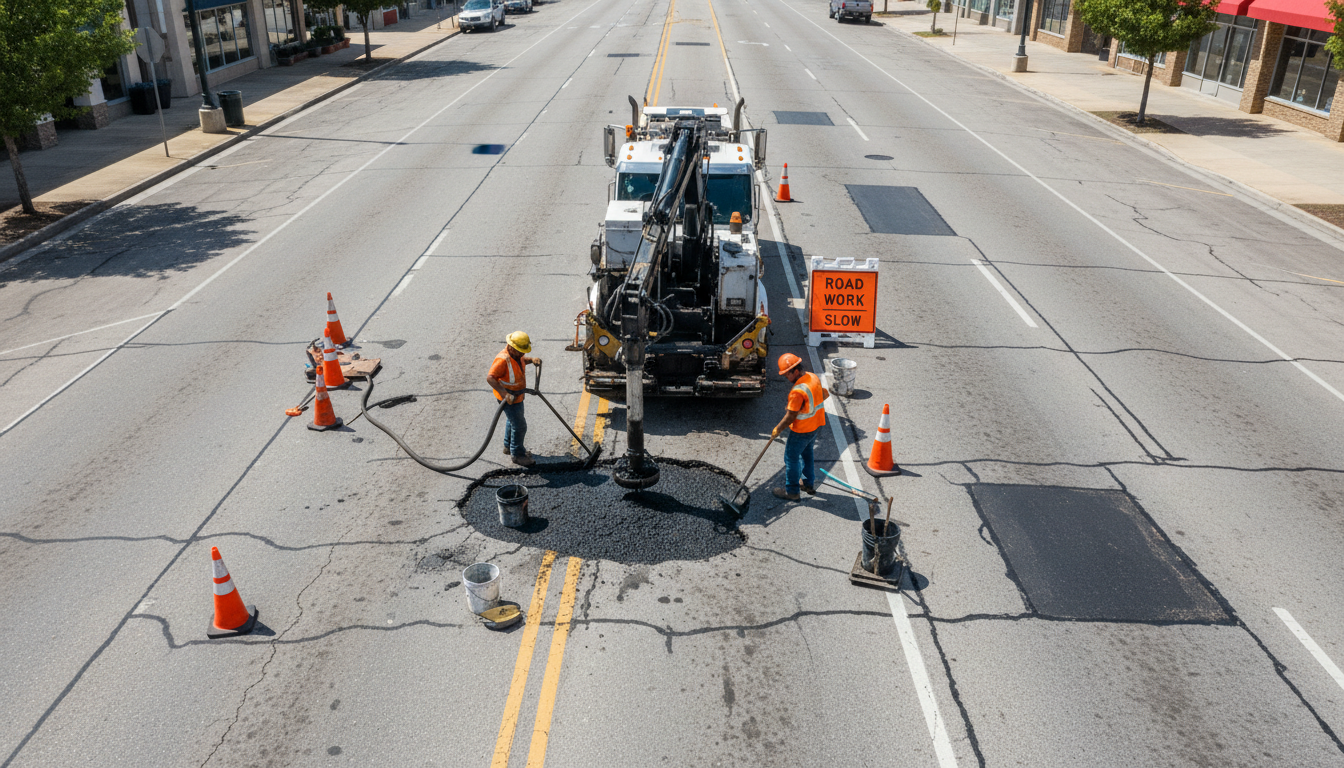
Finally, some believe that once roads are built, they are left without proper maintenance. In truth, maintenance is a critical part of road infrastructure management. Regular inspections and repairs are scheduled to ensure roads remain safe and functional.
Ongoing maintenance helps extend the lifespan of roads and prevents costly overhauls. It is an ongoing commitment by both government and private stakeholders to maintain the quality of Fiji's road networks.
By debunking these myths, we can better appreciate the complexities and benefits of road construction in Fiji. Understanding the realities helps foster greater support for these essential projects, paving the way for a more connected and prosperous future.