
Debunking Common Myths About Road Construction in Fiji
KT
Understanding Road Construction in Fiji
When it comes to road construction in Fiji, several myths often cloud the true nature of the process. These misconceptions can lead to misunderstandings among the public. In this article, we aim to debunk some of the most common myths surrounding road construction in this beautiful island nation.
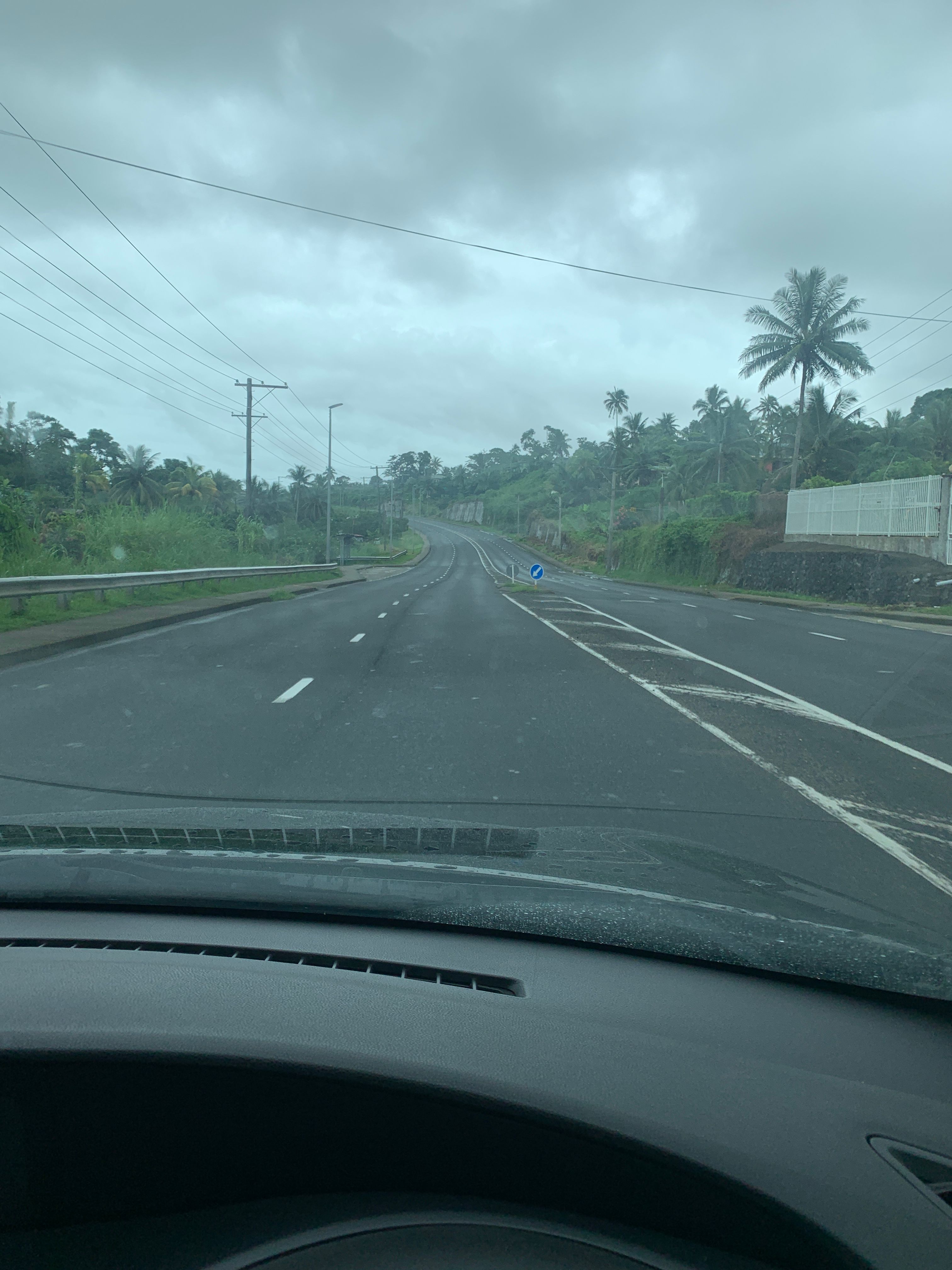
Myth 1: Road Construction Only Happens During Certain Seasons
One prevalent myth is that road construction in Fiji only occurs during specific seasons. While weather conditions do influence construction schedules, work is generally planned to continue year-round. The tropical climate can present challenges, but modern techniques and materials allow for progress even during the wetter months.
Construction teams are equipped to handle the varying conditions, ensuring that projects remain on track and disruptions are minimized. It’s a continuous process that adapts to the environment, not dictated solely by it.
Funding and Budget Myths
Another widespread belief is that road construction is solely funded by local government budgets. In reality, funding often comes from a combination of sources, including international aid, private investments, and public-private partnerships. This diversified funding approach ensures that projects are financially sustainable and can accommodate the needs of the community.
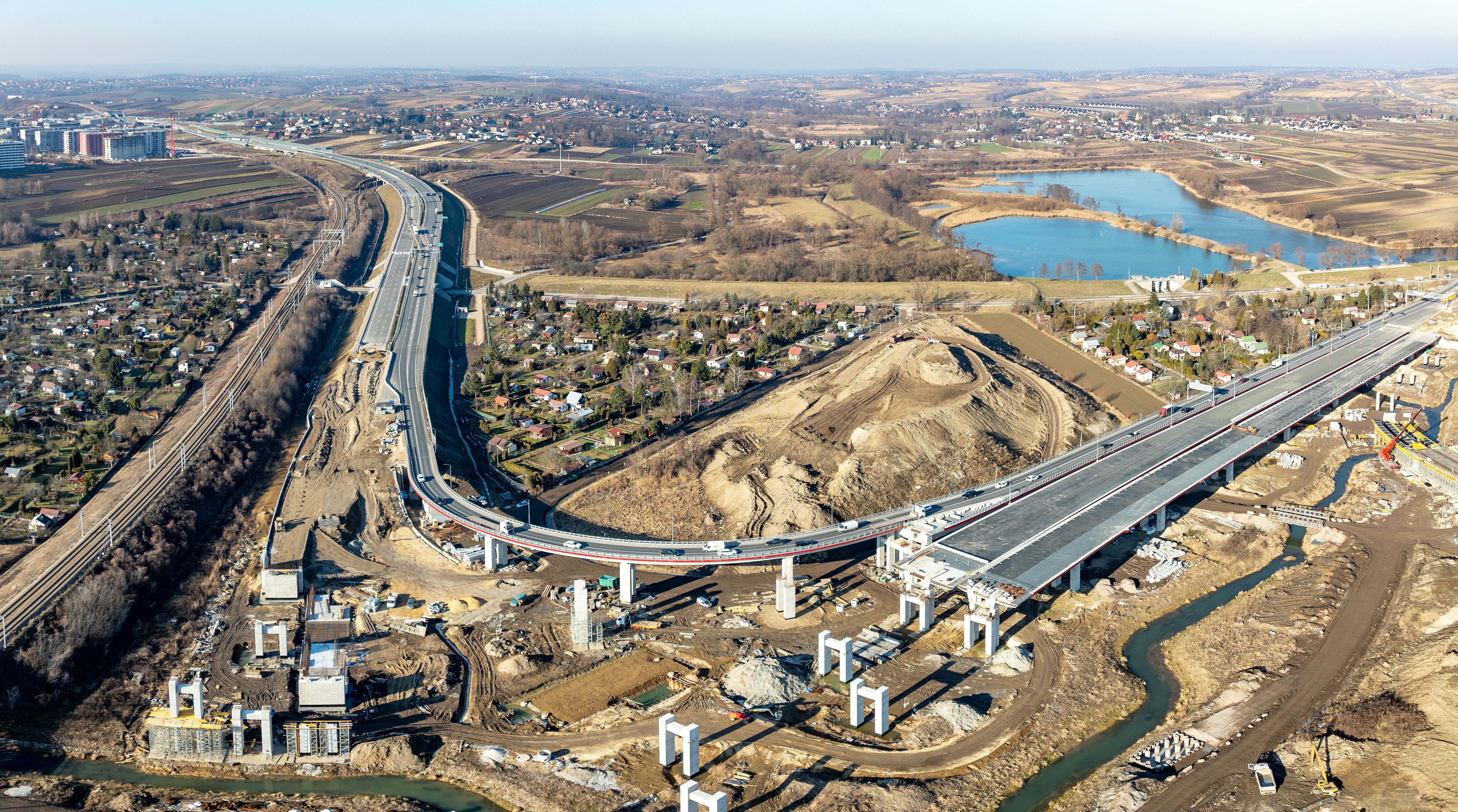
Myth 2: All Road Projects Are Delayed
Delays are a common concern, but not all road construction projects in Fiji experience significant setbacks. While unforeseen circumstances can cause delays, many projects are completed on schedule due to meticulous planning and project management. Engineers and planners work diligently to anticipate challenges and mitigate them before they impact timelines.
It's important to recognize that external factors, such as supply chain disruptions or unexpected weather events, can affect progress. However, these are not the norm and are managed effectively by experienced teams.
Impact on Communities
Some people believe that road construction negatively impacts local communities by causing inconvenience and disruption. While construction can temporarily affect daily life, the long-term benefits often outweigh the short-term inconveniences. Improved roads lead to better connectivity, enhanced safety, and boosted local economies.
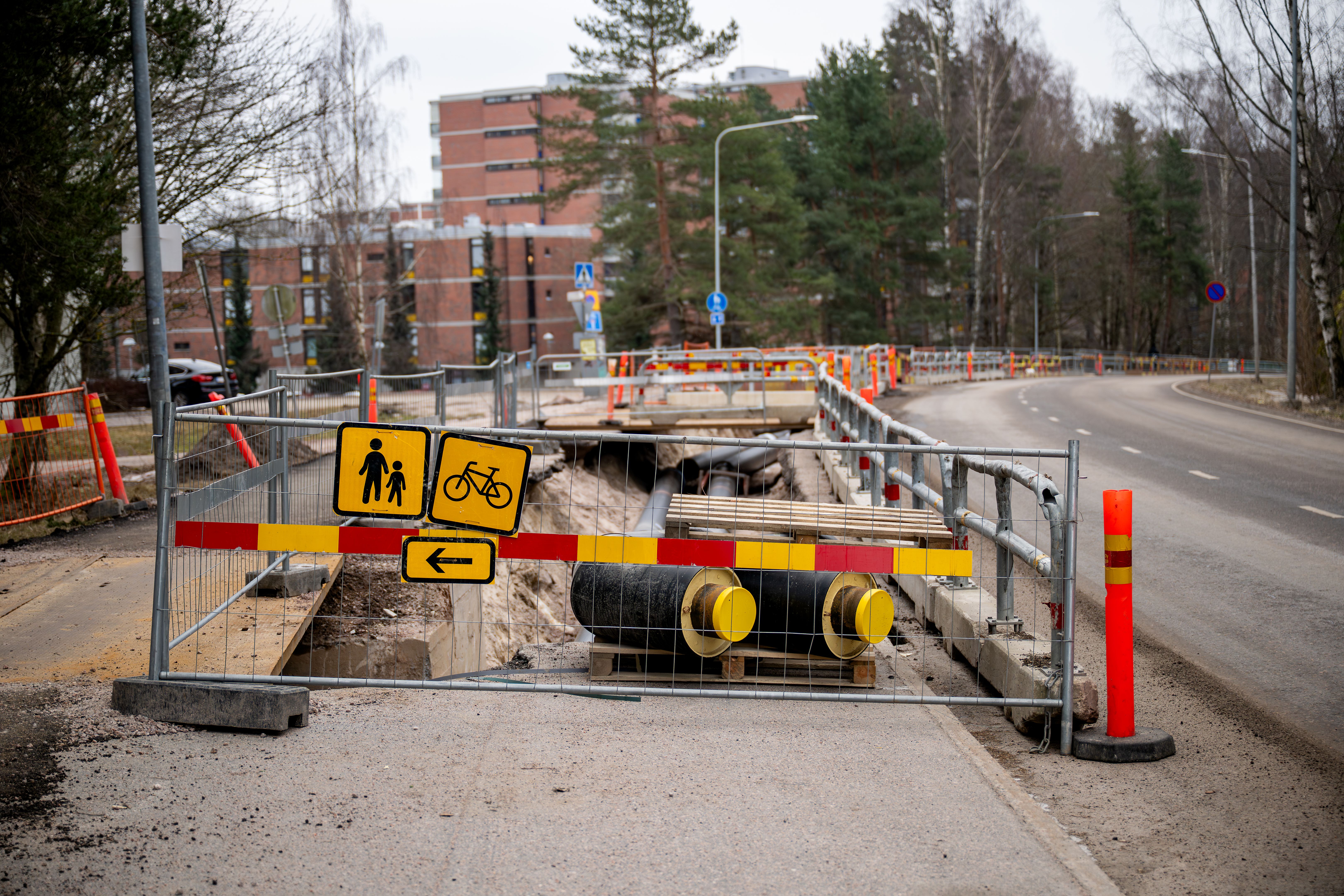
Myth 3: Construction Quality is Poor
Concerns about the quality of road construction are not uncommon. However, Fiji has stringent standards and quality control measures in place to ensure that roads are built to last. Regular inspections and the use of durable materials contribute to the longevity and reliability of road infrastructure.
Moreover, the involvement of experienced engineers and adherence to international standards further guarantee the quality and safety of road projects across the country.
Environmental Considerations
Lastly, it is often assumed that road construction disregards environmental impacts. In truth, environmental assessments and sustainability practices are integral parts of the planning process. Efforts are made to minimize ecological disruption and protect Fiji's rich natural resources.
In conclusion, understanding the realities of road construction in Fiji helps dispel myths and fosters a more informed perspective. The ongoing commitment to quality, sustainability, and community benefits ensures that road infrastructure continues to support Fiji’s growth and development.