
How Seasonal Weather in Labasa Affects Road Construction Projects
KT
Understanding Labasa's Climate
Labasa, located on the island of Vanua Levu in Fiji, experiences a tropical climate characterized by distinct wet and dry seasons. The wet season typically lasts from November to April, while the dry season spans from May to October. These seasonal variations significantly impact road construction projects, influencing both planning and execution phases.
During the wet season, heavy rainfall can lead to flooding and waterlogged soil, posing challenges for construction crews. The dry season, on the other hand, offers more favorable conditions, but it still requires careful planning to maximize efficiency and minimize disruptions.
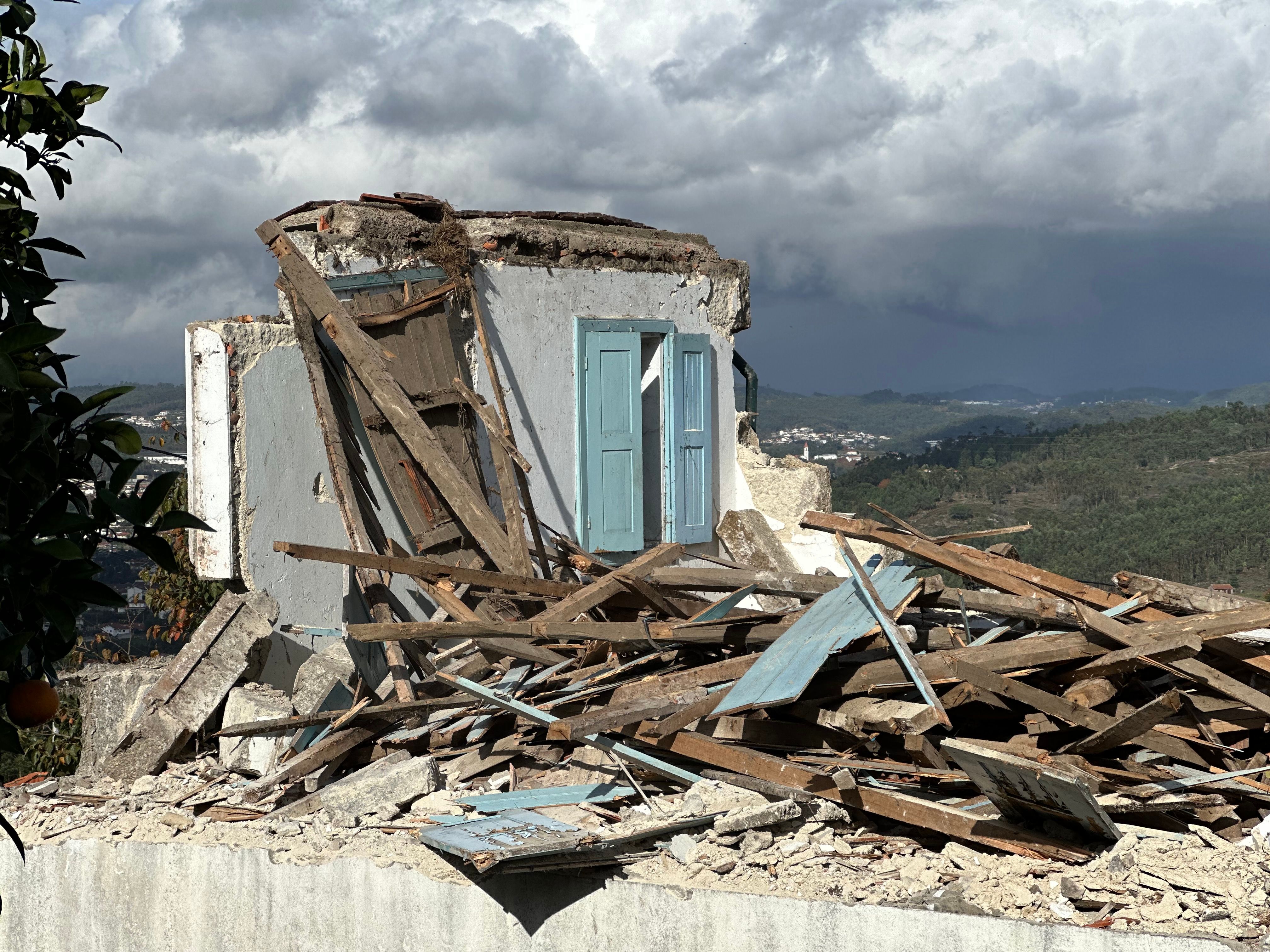
Challenges During the Wet Season
The wet season brings about several challenges for road construction in Labasa. Flooding is a common occurrence, which can lead to delays in project timelines. Waterlogged soil makes it difficult to lay foundations, and heavy machinery may struggle to operate effectively in muddy conditions.
Moreover, safety concerns arise during this period. Slippery surfaces increase the risk of accidents for workers, necessitating additional precautions and potentially slowing down progress. Construction managers must implement strategic planning to mitigate these challenges and ensure project continuity.
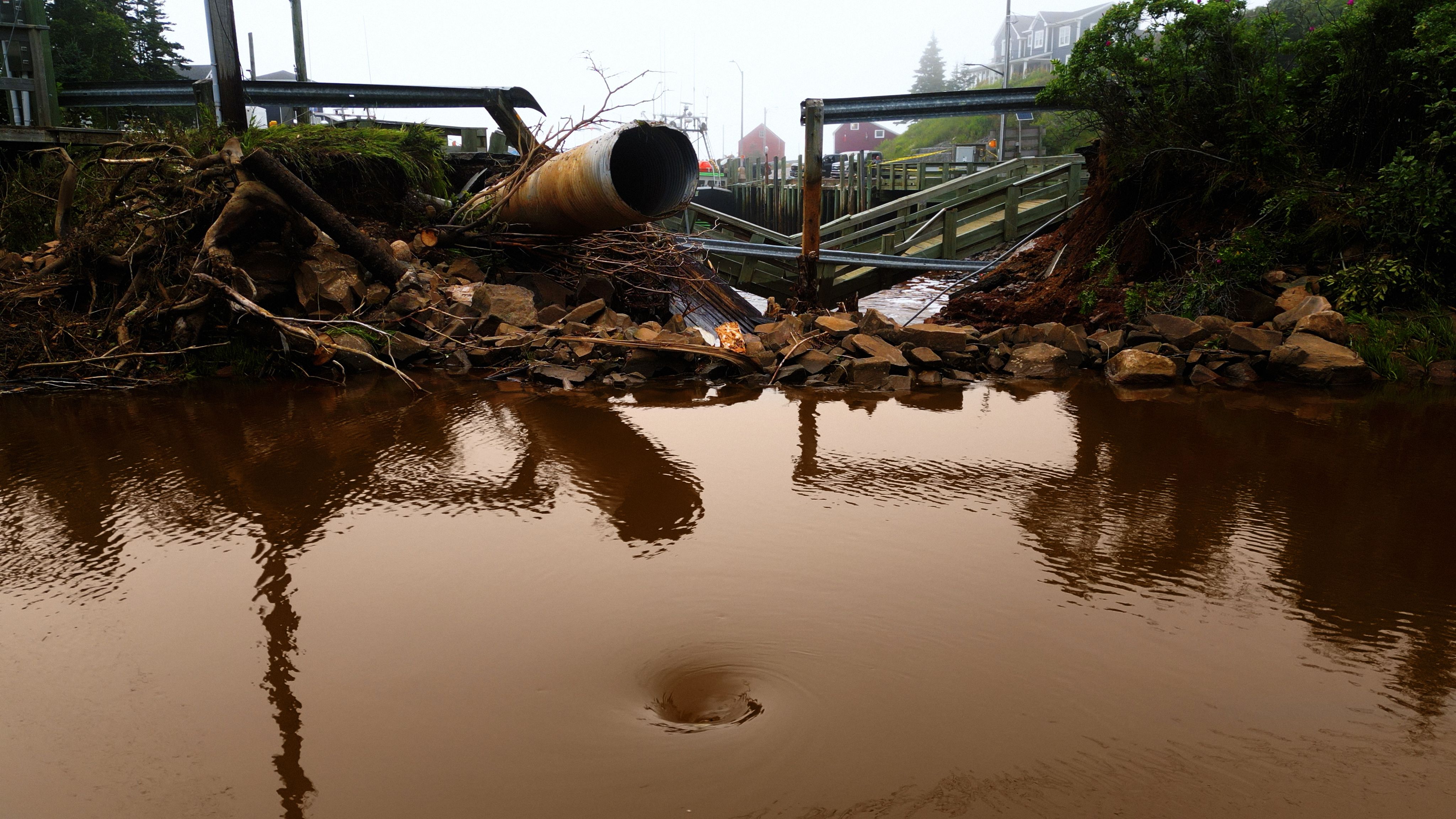
Strategies to Overcome Wet Season Challenges
To tackle the challenges posed by the wet season, construction companies in Labasa often adopt several strategies:
- Advanced Planning: Scheduling projects with consideration of weather forecasts to avoid peak rainfall periods.
- Use of Specialized Equipment: Employing machinery designed to operate in wet conditions.
- Implementing Drainage Solutions: Designing effective drainage systems to manage water flow and prevent flooding.
Opportunities During the Dry Season
The dry season presents a prime opportunity for road construction projects in Labasa. With reduced rainfall, the ground is more stable, providing better conditions for laying foundations and executing construction tasks efficiently. This period also allows for uninterrupted work schedules, significantly speeding up project completion times.
However, it's essential to address the challenges of dust and heat. Prolonged exposure to high temperatures can affect both workers and equipment, necessitating measures to ensure safety and maintain productivity.

Maximizing Benefits in the Dry Season
To capitalize on the dry season, construction teams can implement the following strategies:
- Optimized Scheduling: Planning intensive tasks during the driest months to leverage optimal working conditions.
- Regular Equipment Maintenance: Ensuring machinery is in peak condition to handle continuous use without breakdowns.
- Worker Safety Measures: Providing adequate hydration and shade to protect workers from heat-related issues.
Conclusion
In Labasa, the impact of seasonal weather on road construction projects is significant. By understanding and adapting to these climatic conditions, construction companies can better manage timelines, resources, and safety. A proactive approach not only mitigates the challenges but also harnesses the opportunities presented by Labasa's unique climate.