
How to Prepare for Road Construction Projects During Fiji's Rainy Season
KT
Understanding Fiji's Rainy Season
Fiji's rainy season, typically spanning from November to April, can pose significant challenges for road construction projects. Heavy rainfall can lead to flooding, muddy conditions, and potential delays. It's crucial for project managers to plan effectively to mitigate these challenges and keep projects on schedule.

Planning and Scheduling
One of the most critical steps in preparing for road construction during this period is meticulous planning. Consider integrating weather forecasts into your project timeline. By anticipating heavy rainfall days, you can adjust your schedule to allocate more time for weather-related delays.
Additionally, it's wise to prioritize tasks that are less affected by weather conditions during the rainy season. For example, focus on groundwork and preparation in dry periods, leaving tasks like paving for when conditions improve.
Ensuring Proper Drainage
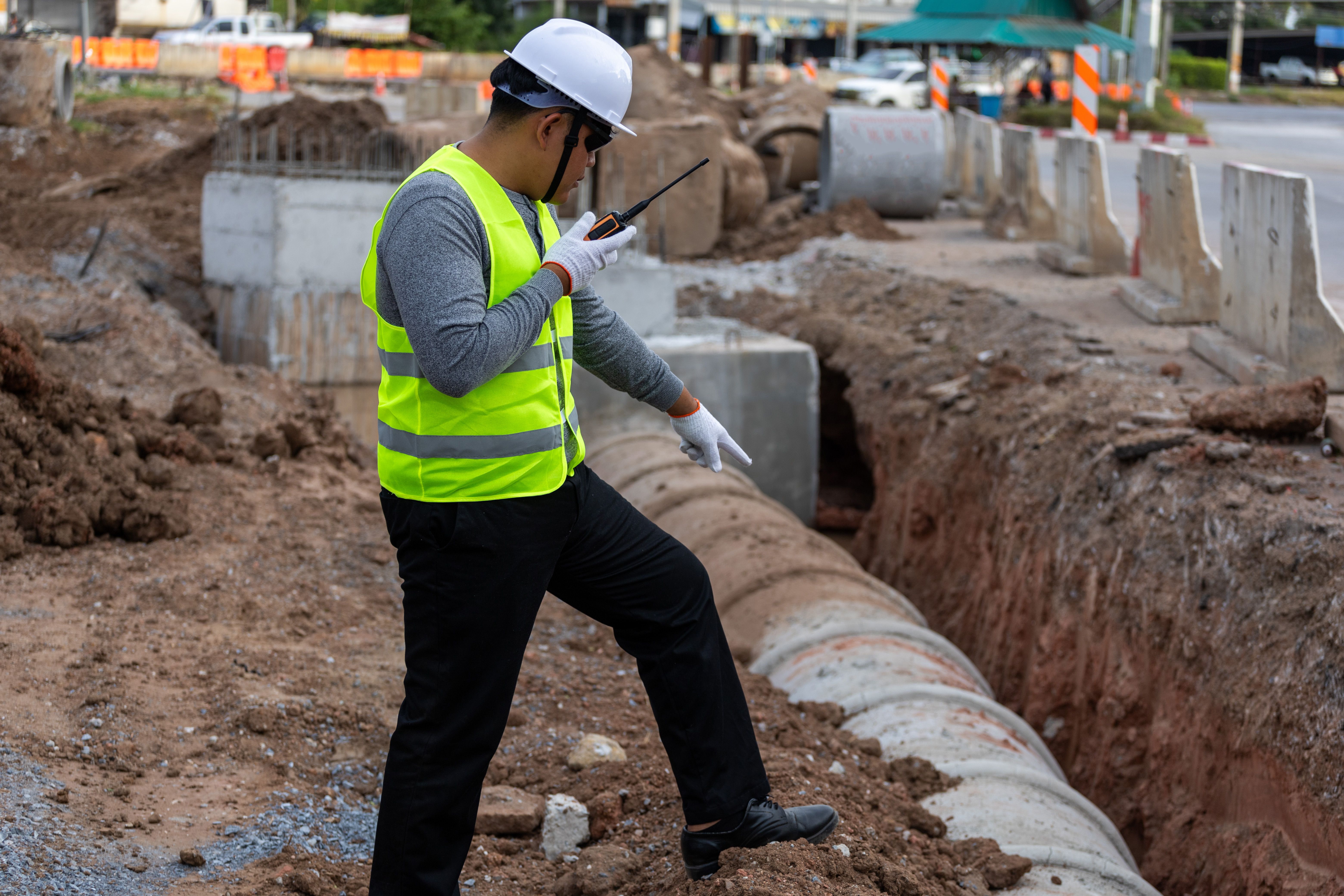
Effective drainage systems are essential during the rainy season. Without them, water accumulation can lead to erosion, flooding, and significant project delays. Ensure that drainage systems are in place and well-maintained to handle the heavy rain typical during this time.
Regular inspections and maintenance of drainage channels can prevent waterlogging. Consider using materials and designs that enhance water flow away from the construction site.
Using Weather-Resistant Materials
Choosing the right materials can make a significant difference in how a project withstands adverse weather. Opt for weather-resistant materials that can endure heavy rain and humidity. This can include specific types of asphalt or concrete that are less prone to water damage.
Consult with material suppliers and experts to select the best options for your specific project needs. Investing in quality materials can save time and costs in the long run by reducing the need for repairs and maintenance.
Implementing Safety Measures
The safety of workers should always be a top priority, especially during challenging weather conditions. Ensure that all workers are equipped with appropriate rain gear and that the site is equipped with safety signs and barriers to prevent accidents.
Conduct regular safety briefings to remind workers of the potential hazards associated with working in wet conditions and the importance of adhering to safety protocols.

Maintaining Communication
Clear and consistent communication is crucial during the rainy season. Keep all stakeholders informed about potential delays or changes in the schedule. Utilize digital tools and platforms to share updates quickly and efficiently.
Establish a reliable communication plan that includes regular meetings and updates to ensure everyone is on the same page, reducing the risk of misunderstandings and mistakes.
Leveraging Technology
Modern technology can aid significantly in managing road construction projects during adverse weather. Use drones for site inspections to assess conditions without putting workers at risk. Weather tracking apps can also provide real-time updates and alerts.
Implementing project management software can help streamline operations, allowing for better coordination and tracking of progress despite weather disruptions.

Conclusion
Successfully managing road construction projects during Fiji's rainy season requires a proactive approach. By understanding the challenges and preparing accordingly, projects can continue to progress smoothly. Emphasizing planning, safety, and communication will help ensure that construction goals are met even under less-than-ideal conditions.