
Preparing for the Wet Season: Road Maintenance Tips in Fiji
KT
As the wet season approaches in Fiji, it's crucial for road maintenance teams to prepare adequately to ensure safe and reliable transportation. Proper preparation can help mitigate the adverse effects of heavy rains and storms on road infrastructure.

Understanding the Impact of the Wet Season
The wet season in Fiji typically brings heavy rainfall, which can lead to flooding, soil erosion, and landslides. These conditions pose significant challenges for road maintenance, requiring proactive strategies to maintain road safety and accessibility.
Understanding these impacts allows maintenance teams to prioritize areas that are most vulnerable and ensure that necessary resources are allocated effectively.
Flooding and Drainage Systems
Flooding is a common issue during the wet season. Ensuring that drainage systems are clear and functioning properly is critical. Blocked drains can lead to water pooling on roads, increasing the risk of accidents and road damage.
- Regularly inspect and clean drainage systems.
- Ensure that culverts and gutters are free of debris.
- Consider upgrading drainage systems in flood-prone areas.

Preparing Road Surfaces
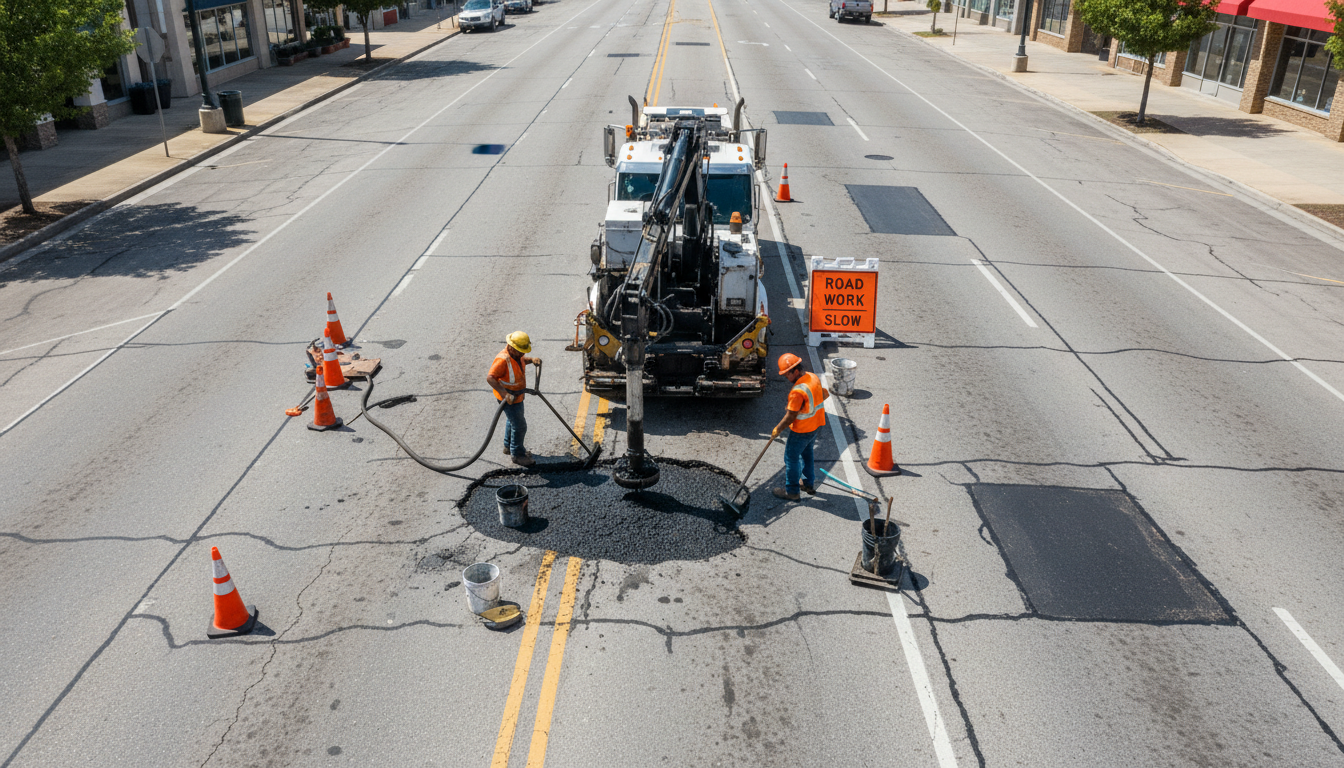
Heavy rains can weaken road surfaces, leading to potholes and cracks. To prevent these issues, it's essential to prepare the road surfaces before the wet season begins.
Seal existing cracks and potholes to prevent water ingress which can exacerbate the damage. Additionally, applying a protective sealant can help shield the road surface from water damage.
Monitoring and Rapid Response
During the wet season, ongoing monitoring is vital. Establishing a rapid response team can help address any emerging issues quickly, minimizing damage and ensuring safety.
- Equip teams with necessary tools and materials for quick repairs.
- Implement a reporting system for road users to inform about new hazards.
- Regularly update the public on road conditions and closures.
Community Involvement
Engaging the community in road maintenance efforts can enhance preparedness. Encourage locals to report road issues and participate in community clean-up activities. This collaboration helps in maintaining road safety and can lead to quicker identification and resolution of potential problems.
By involving the community, road maintenance becomes a shared responsibility, fostering a sense of ownership and vigilance among residents.
Conclusion
Preparing for the wet season in Fiji requires a comprehensive approach to road maintenance. By understanding the challenges posed by the wet season and implementing strategic measures, we can ensure safer and more reliable road networks for everyone.
Proactive planning and community involvement are key to minimizing the impacts of the wet season on Fiji's roads, ultimately safeguarding both infrastructure and lives.