
Understanding Road Construction Regulations in Fiji: A Quick Guide
KT
Introduction to Road Construction Regulations in Fiji
Understanding road construction regulations in Fiji is essential for contractors, engineers, and developers involved in infrastructure projects. These regulations ensure safety, quality, and sustainability in road development. Whether you're a local contractor or an international firm, familiarizing yourself with these guidelines is crucial for successful project execution.
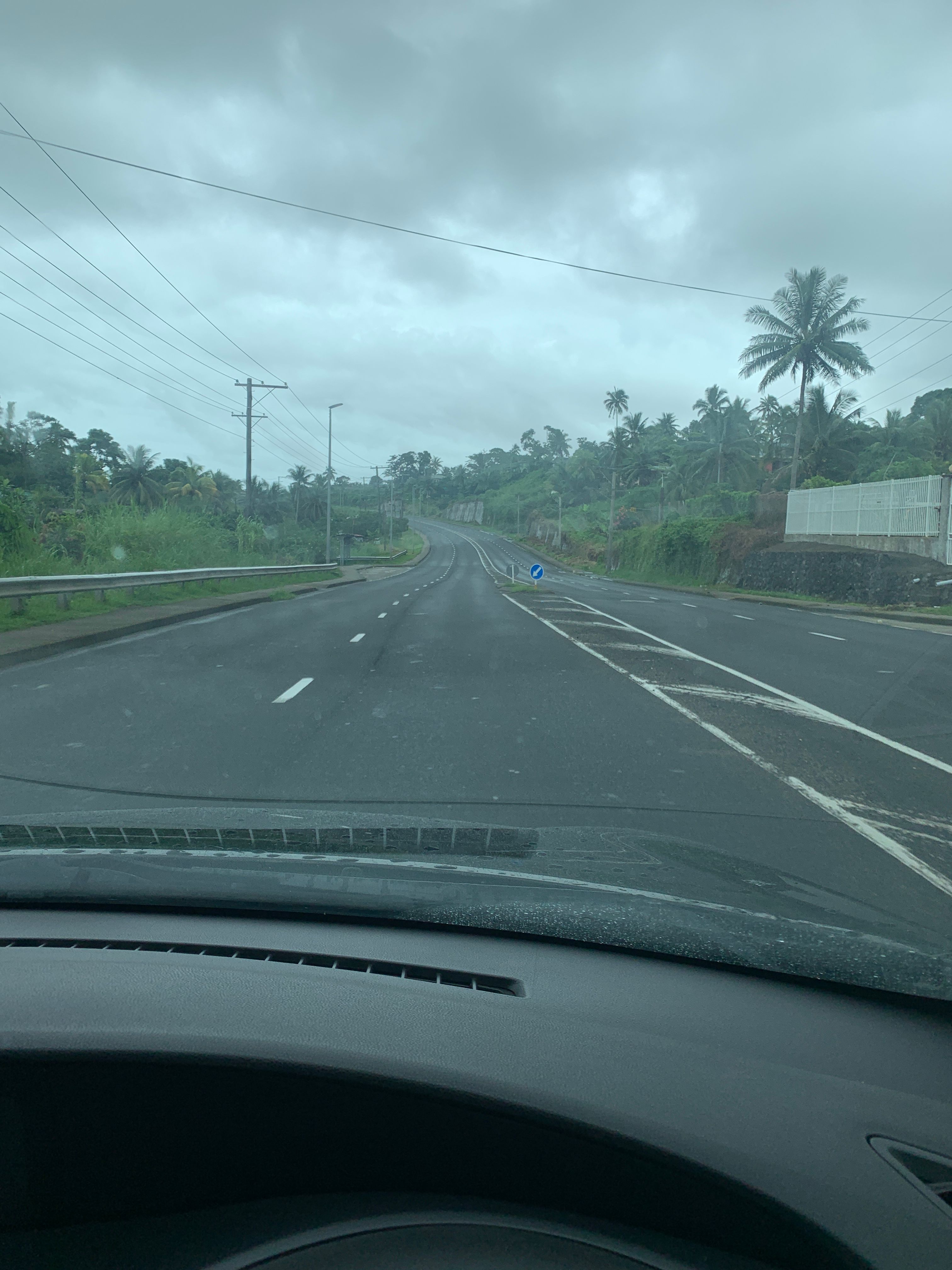
Key Regulatory Bodies
In Fiji, the primary regulatory body overseeing road construction is the Fiji Roads Authority (FRA). The FRA is responsible for the planning, development, and maintenance of the road network. Another important organization is the Ministry of Infrastructure and Transport, which provides overarching policies and guidelines.
These bodies collaborate to ensure that road construction projects meet national standards, addressing issues such as environmental impact, safety, and efficiency. Working closely with these agencies can facilitate smoother project approvals and compliance.
Essential Regulations
Several key regulations govern road construction in Fiji. These include:
- Environmental Impact Assessments (EIA): All major projects must conduct an EIA to evaluate potential environmental effects.
- Safety Standards: Compliance with safety protocols is mandatory to protect workers and the public.
- Quality Control: Materials and construction practices must adhere to specified quality standards.

Permitting Process
Securing the necessary permits is a critical step in road construction. The process typically involves submitting detailed project plans to the FRA and obtaining approval from various governmental departments. These submissions should include design specifications, environmental assessments, and safety plans.
Understanding the permitting process and preparing comprehensive documentation can significantly reduce delays and facilitate smoother project progression.
Compliance and Inspections
Once construction begins, regular inspections ensure that the project adheres to all regulatory requirements. The FRA conducts site visits to monitor compliance with safety, environmental, and quality standards. Maintaining open communication with inspectors can help address any potential issues promptly.

Challenges and Considerations
Road construction in Fiji can present unique challenges, such as navigating diverse terrains and weather conditions. Additionally, staying updated with any changes in regulations is vital for ongoing compliance. Engaging local experts and consultants can provide valuable insights and assistance.
Being aware of these challenges and planning accordingly can contribute to the successful completion of road construction projects.
Conclusion
Understanding and adhering to road construction regulations in Fiji is essential for any project. By familiarizing yourself with the key regulatory bodies, essential regulations, and the permitting process, you can ensure that your project meets the necessary standards and contributes positively to Fiji's infrastructure development.
For contractors and developers, staying informed and proactive in compliance efforts is not just a legal obligation but a commitment to quality and safety.